Built to Serve: The Story of our Warehouses
STARTING SMALL
The facilities story at Four Seasons began the same way the company itself began — small.
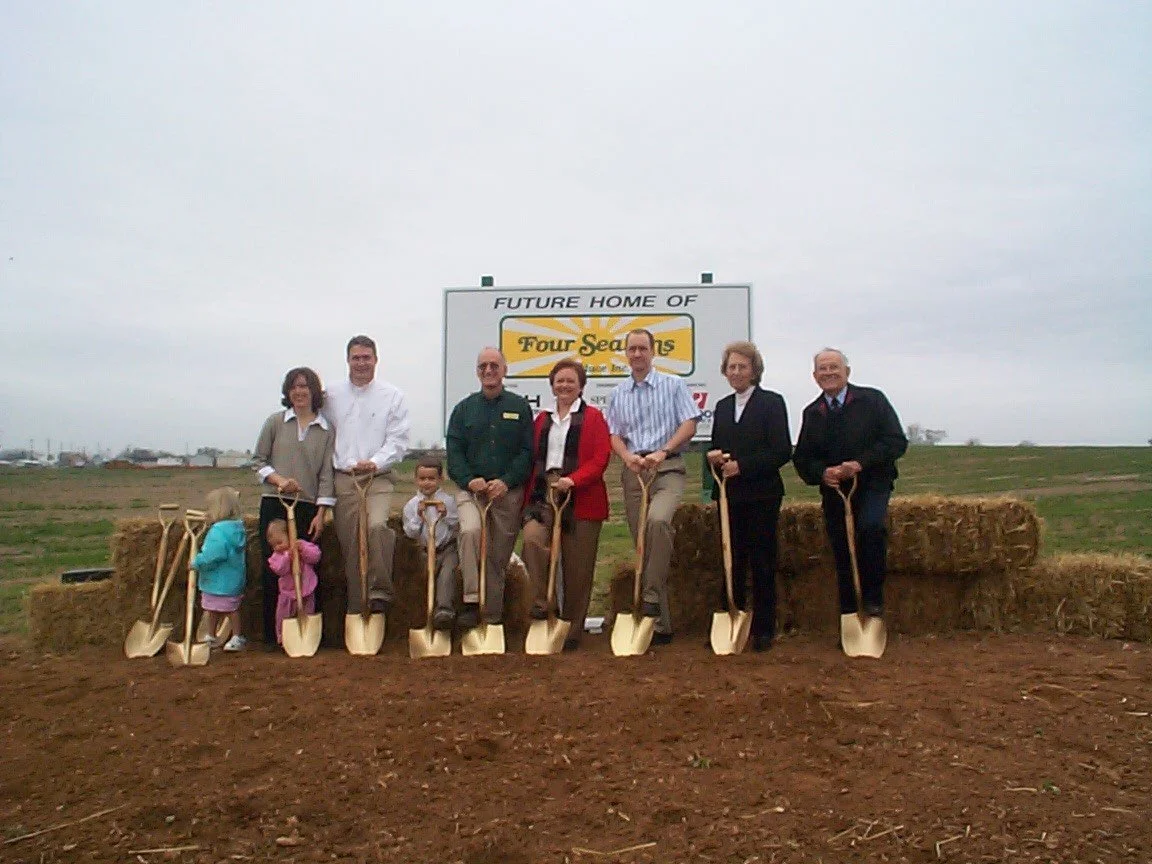
Since the 1950s, David Hollinger’s family ran a roadside stand that grew into a farm market and eventually a grocery store in Ephrata, PA. As a young adult, he became the produce manager and took a keen interest in produce buying, eventually starting to wholesale produce to other local business from his parents’ store. Not long after, an opportunity came along — a 5,000-square-foot building in Denver, Pennsylvania.
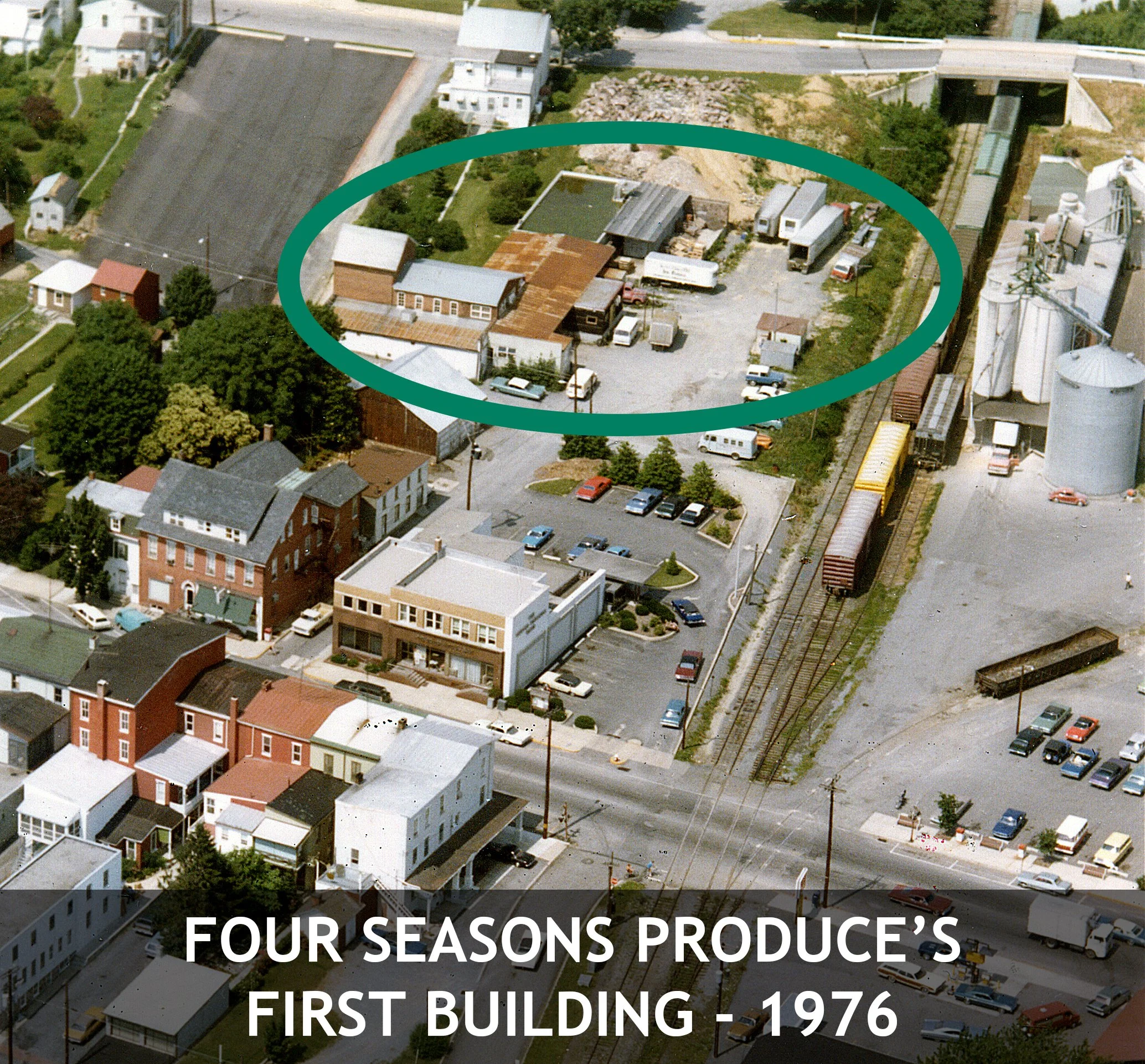
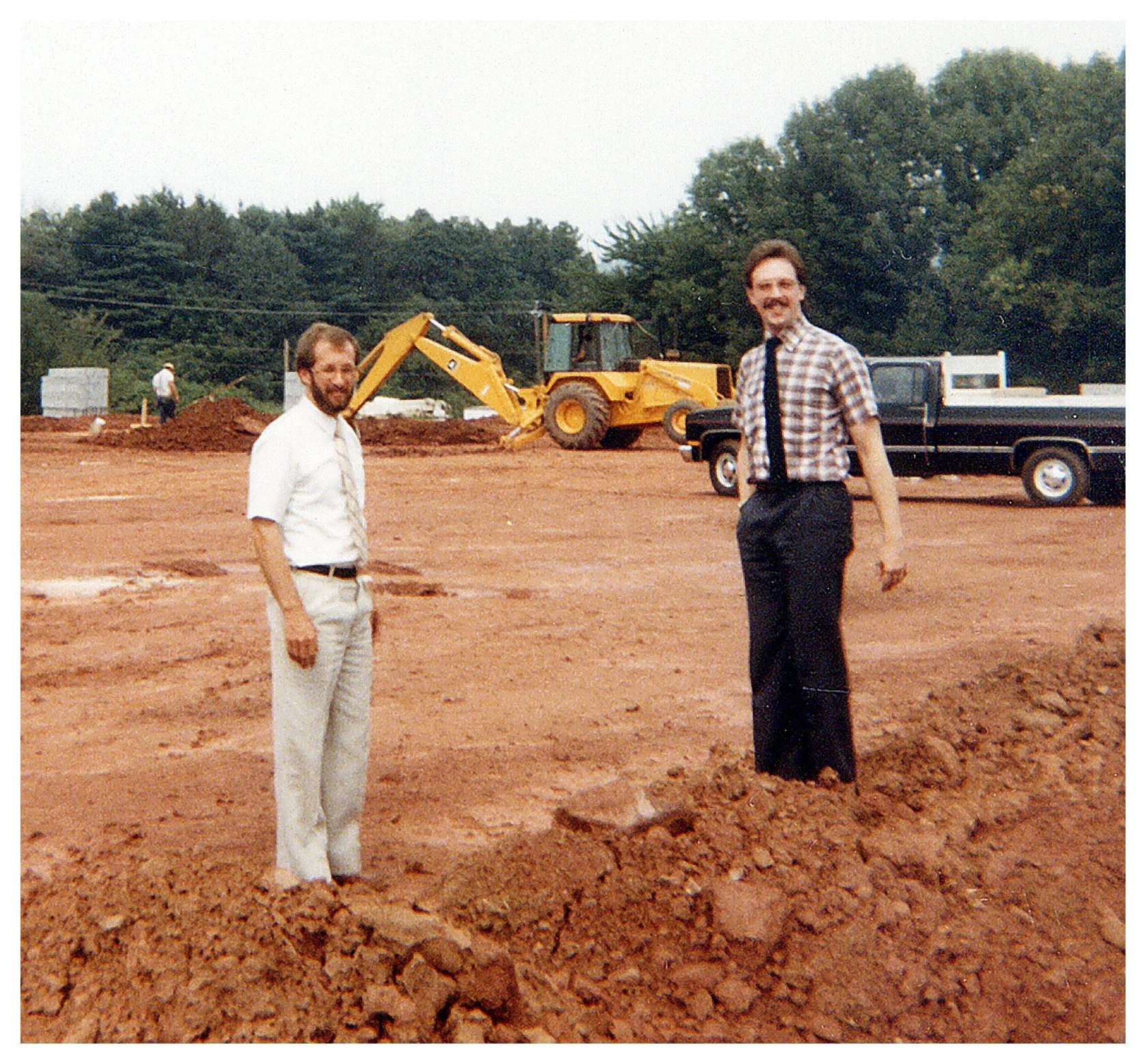
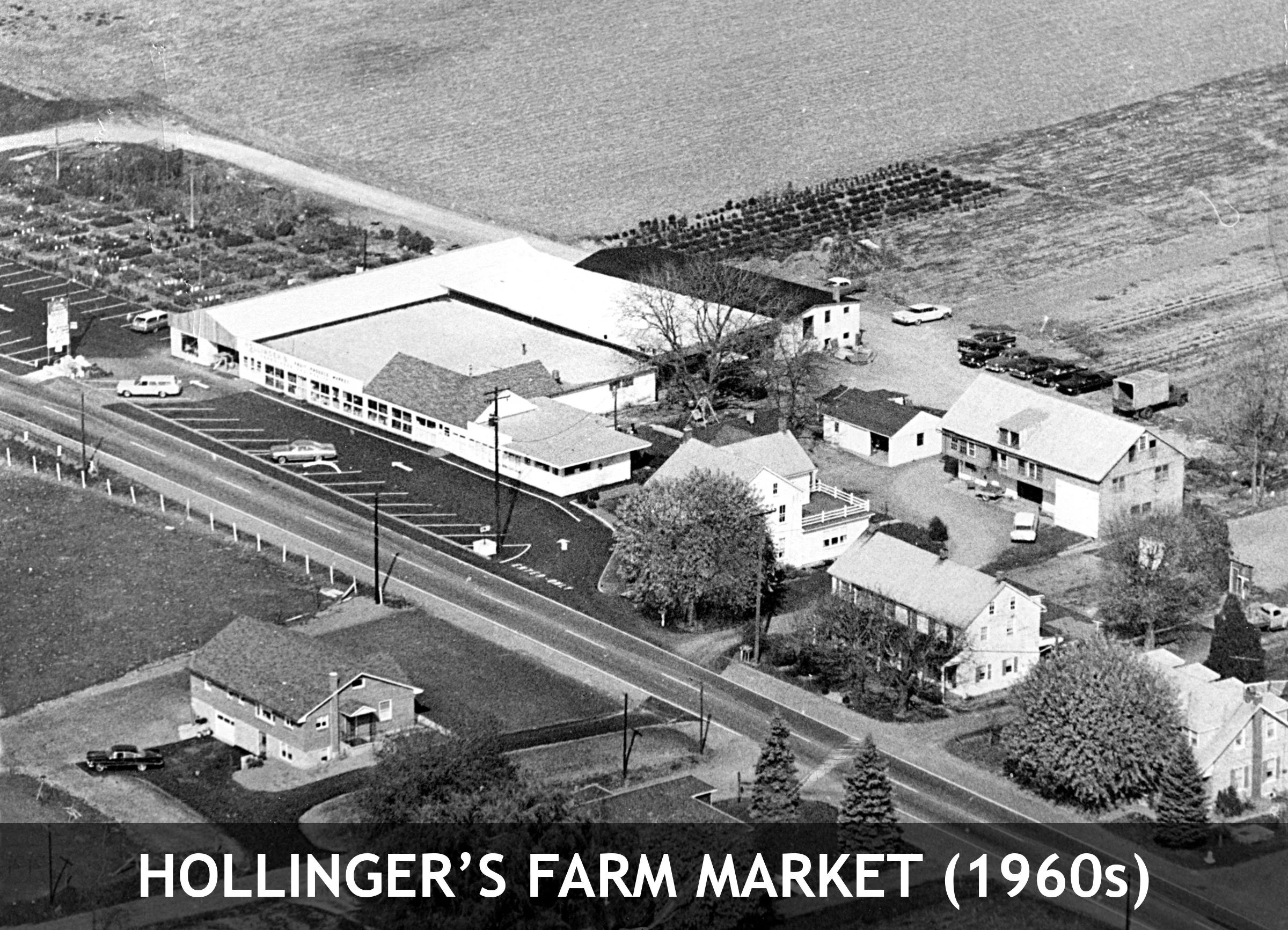
Could that small building become something more?
That question led to the start of the wholesale business: Four Seasons Produce.
In those early years, the operation was simple. There was one tractor trailer, a handful of straight trucks, and routing was done by hand on paper. Drivers would run their routes, then come back and help in the warehouse. Everyone pitched in wherever they were needed.
The goal was not to build something big. It was to take care of customers and keep improving. But the business kept growing.
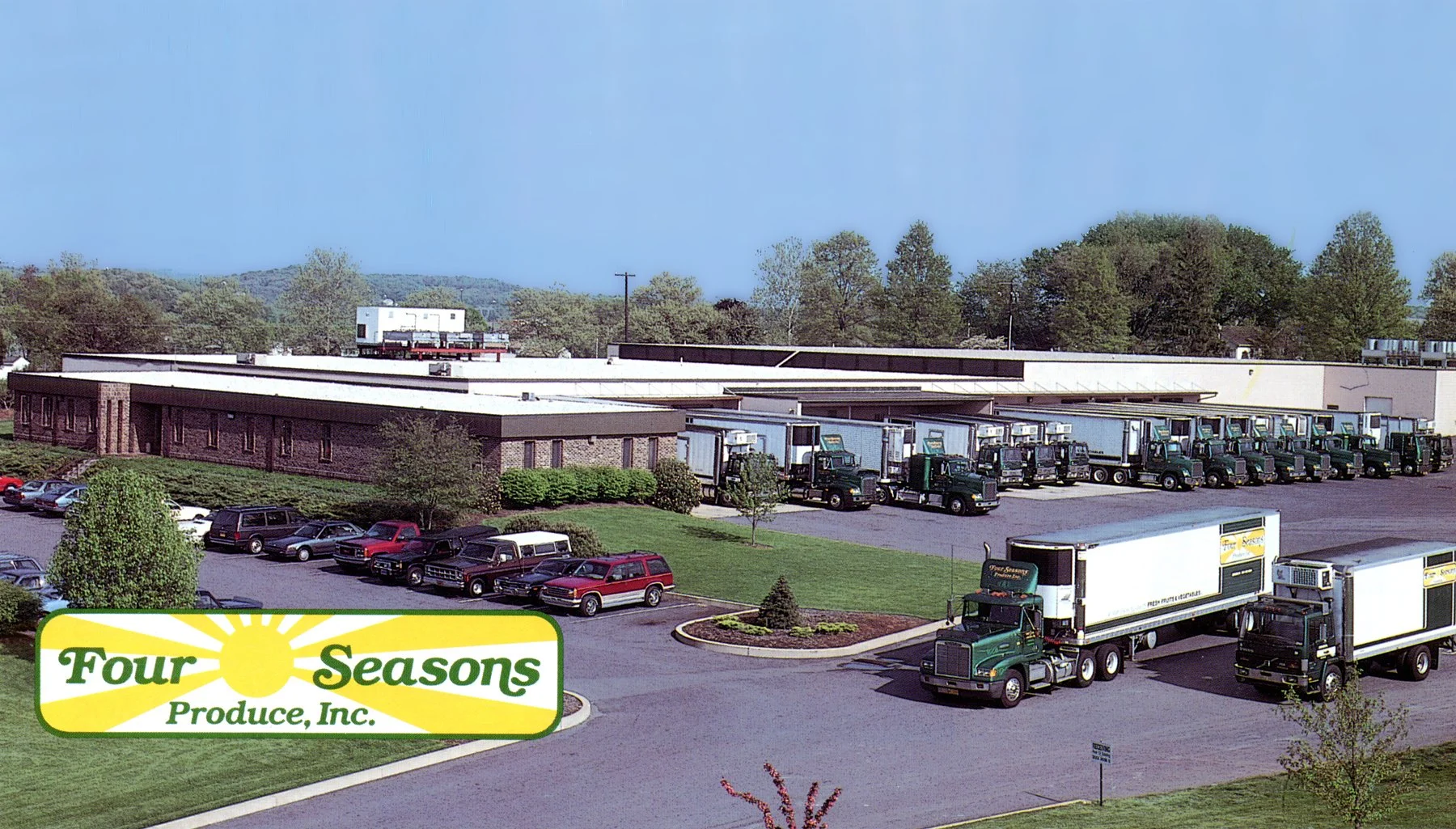
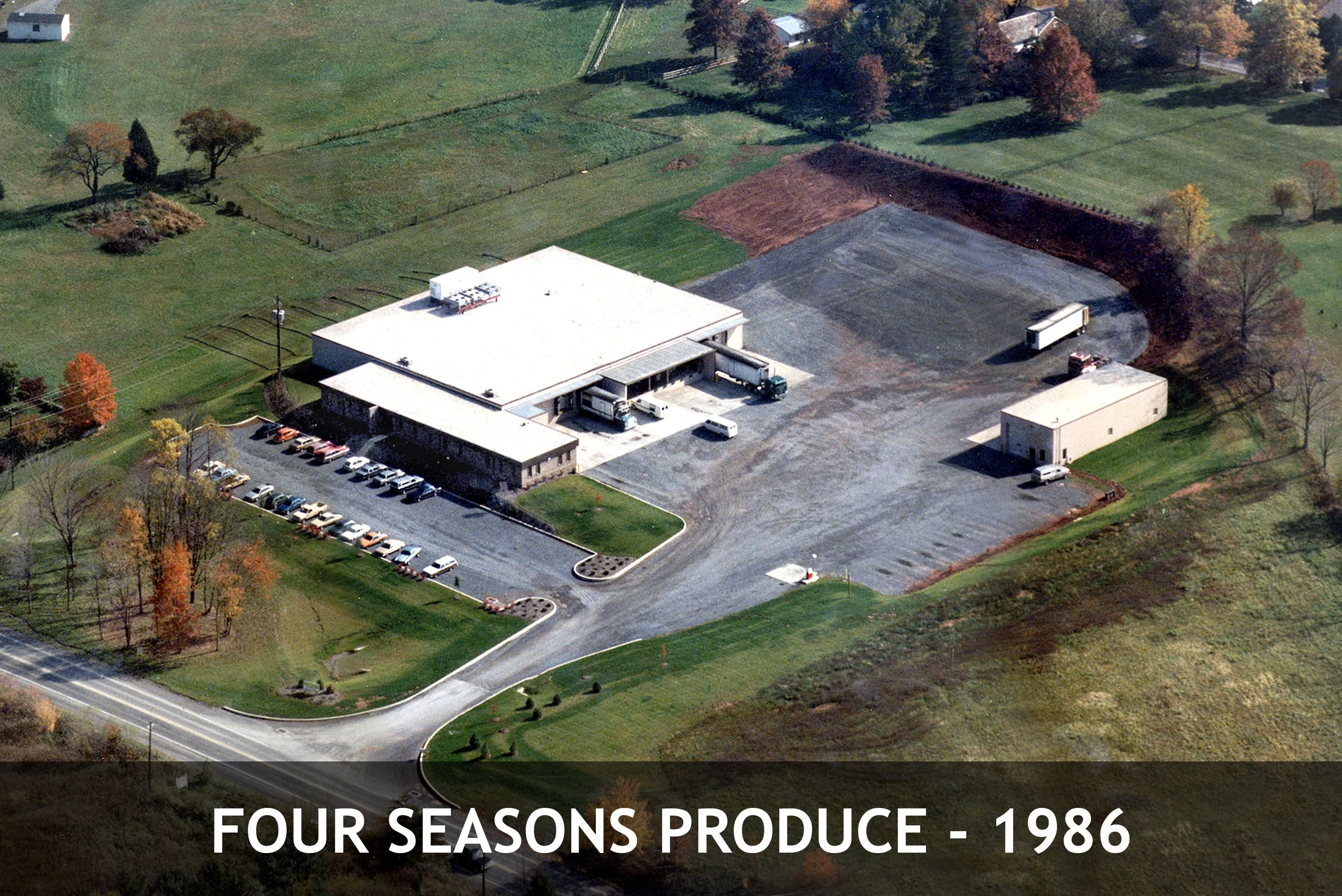
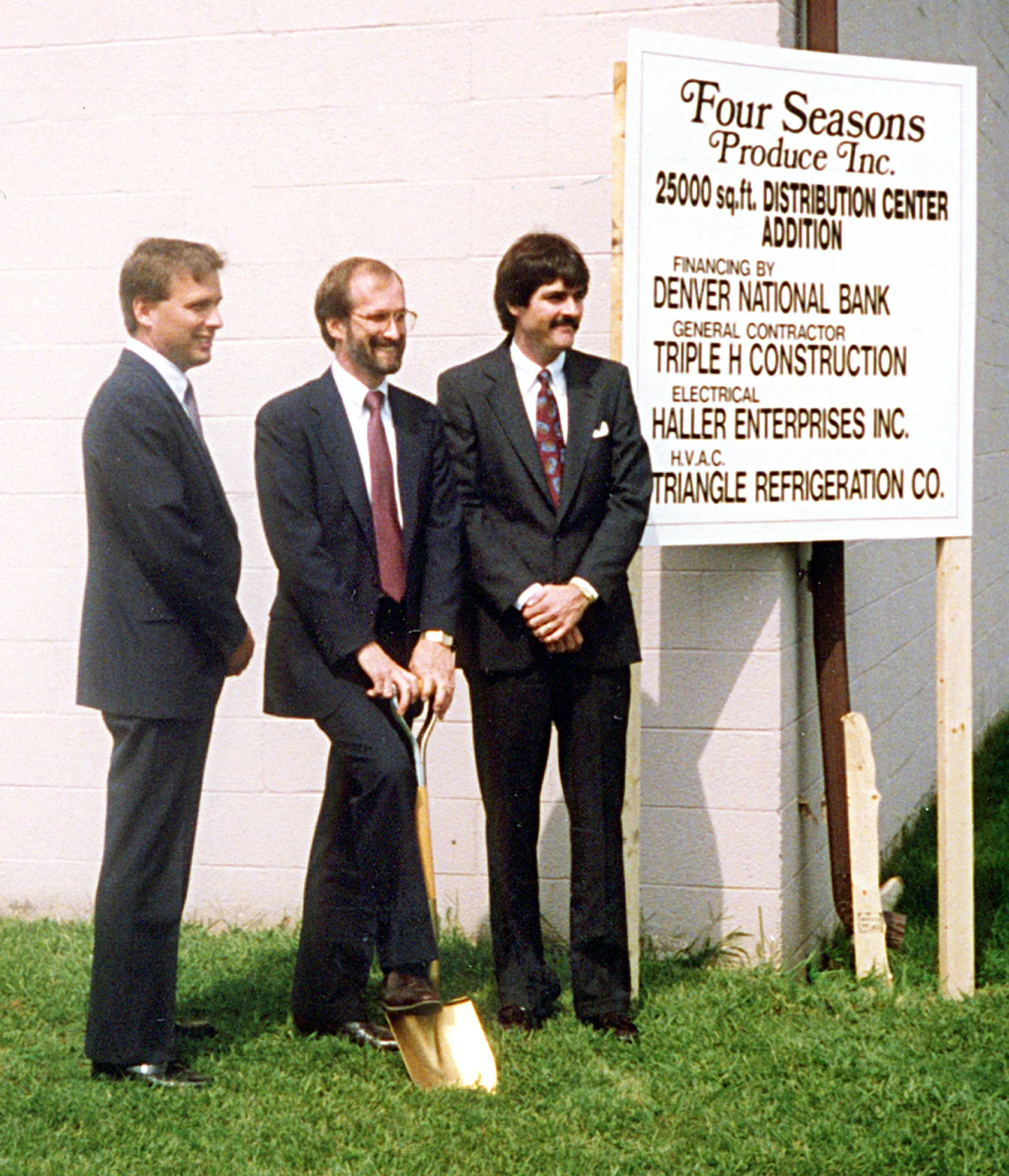
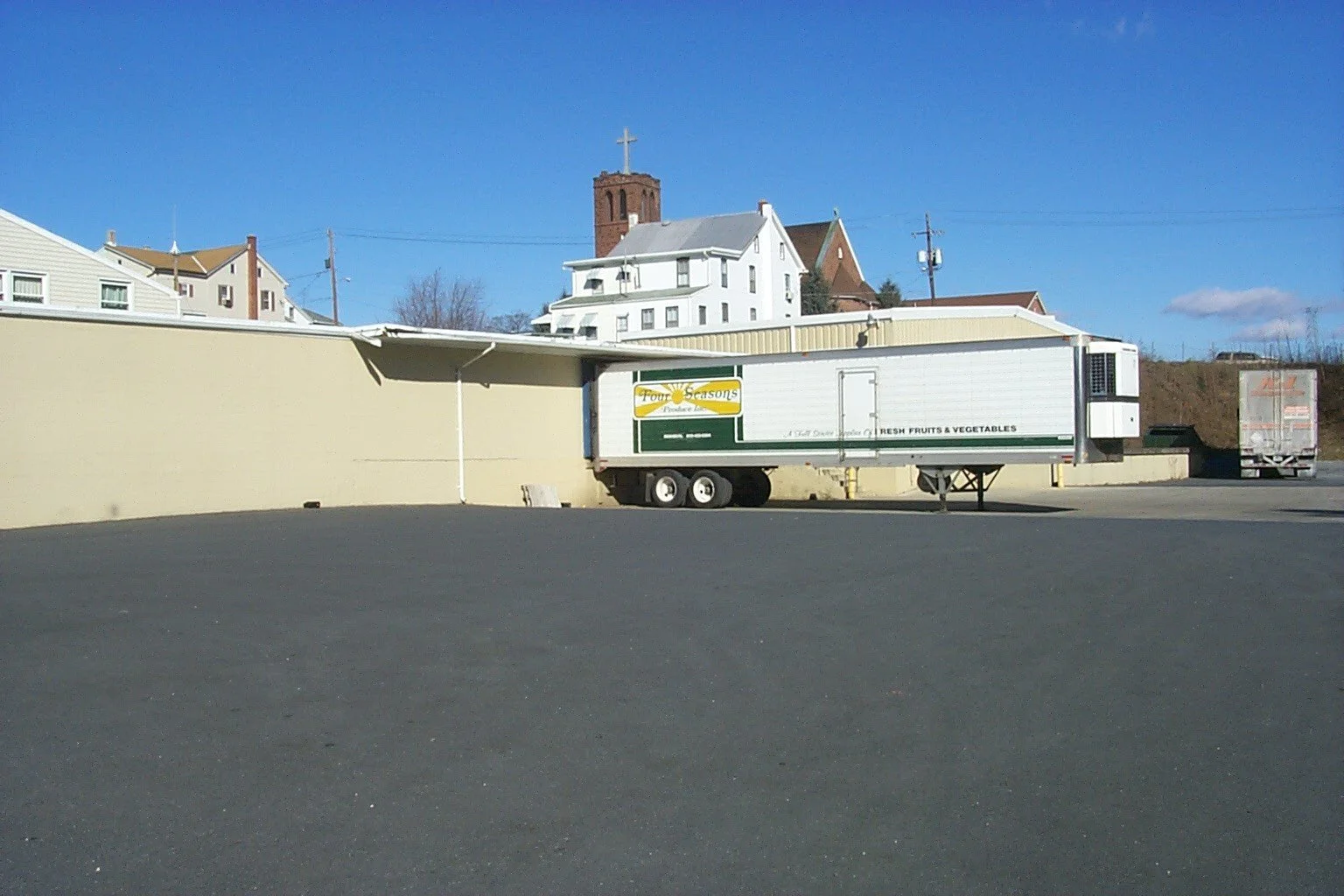
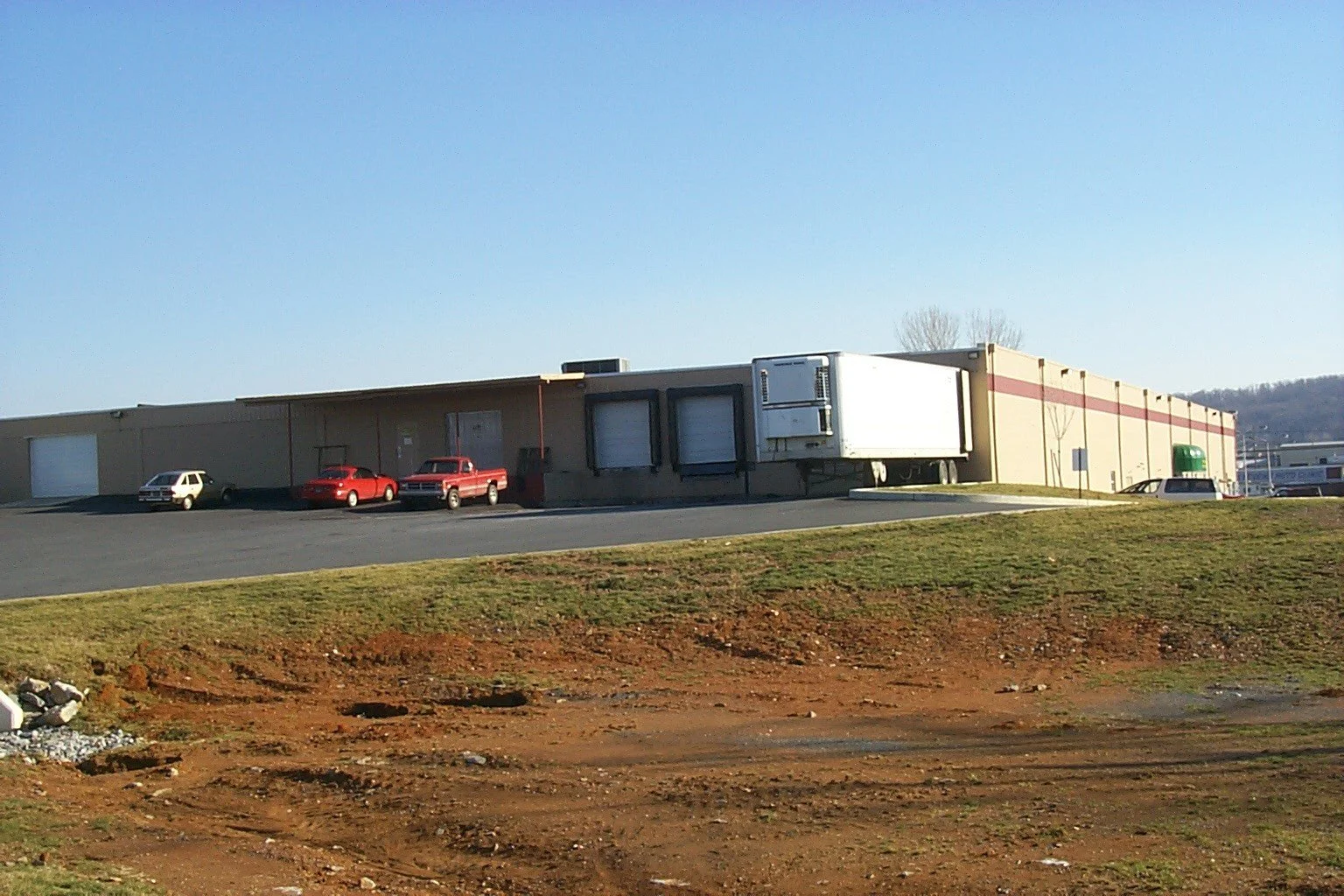
By the mid 1980s, the original space could no longer keep up. Four Seasons built a 25,000-square-foot facility, a major step forward that allowed the company to expand its capability and reach — especially with independent retailers.
For a while, it was enough.Then it wasn’t.
Making Room to Grow
Growth did not slow down.
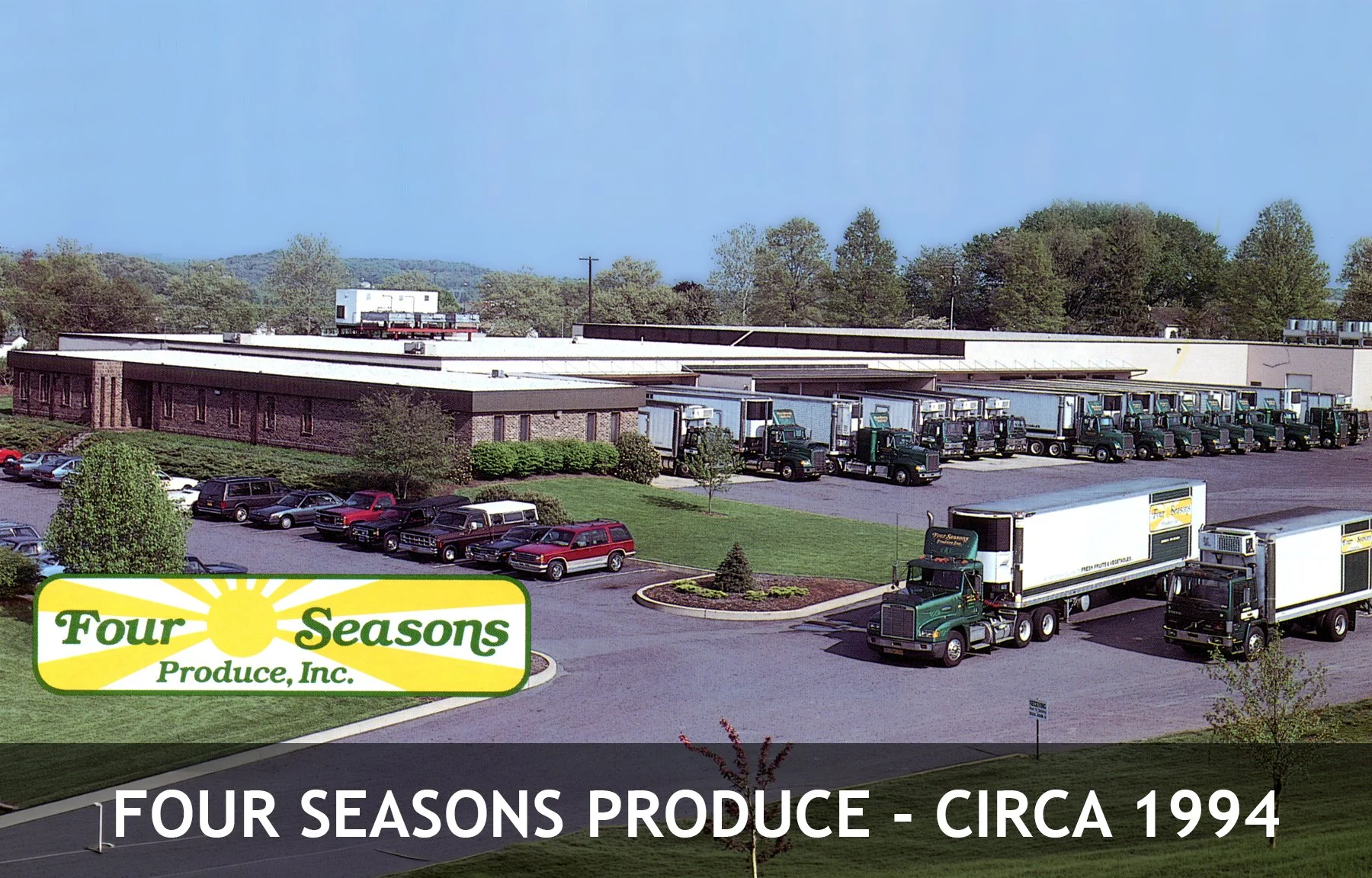
Within a few years, the larger building filled up. The company expanded again — and then again.
What started as one warehouse became three. Then five.
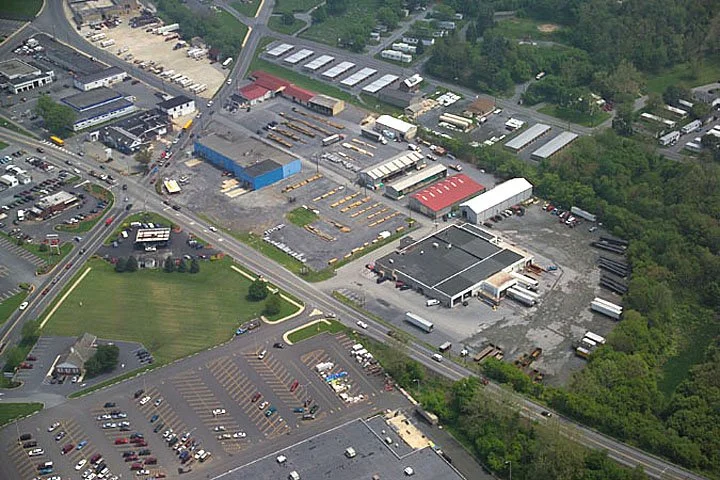
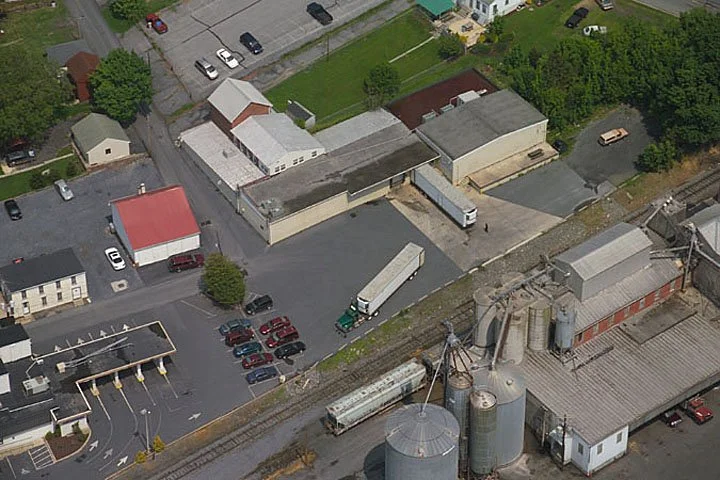
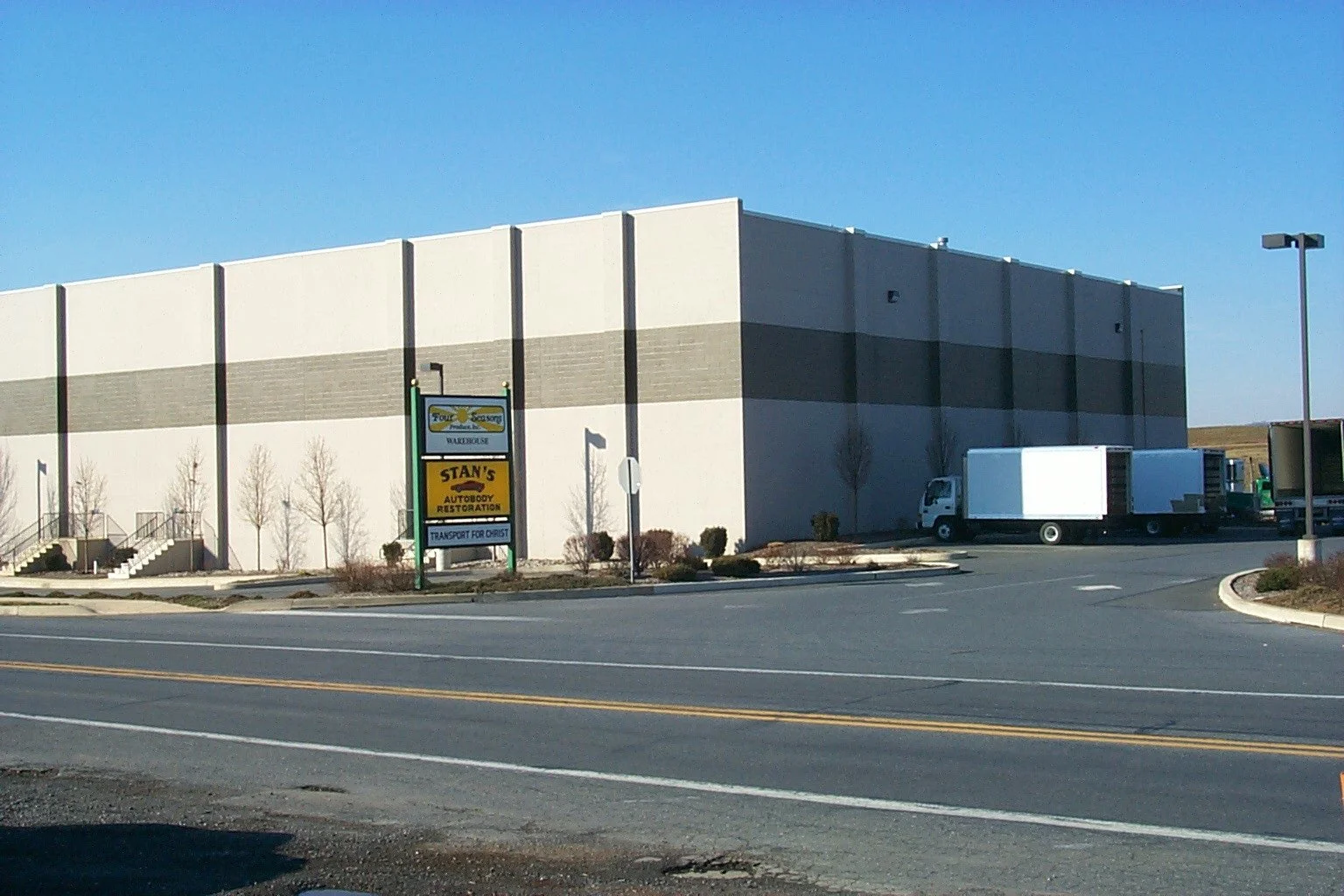
By the late 1990s, the operation was spread across multiple buildings throughout the area. Product moved between warehouses. Trailers shifted constantly. Drivers spent part of their day transferring loads just to keep everything connected.
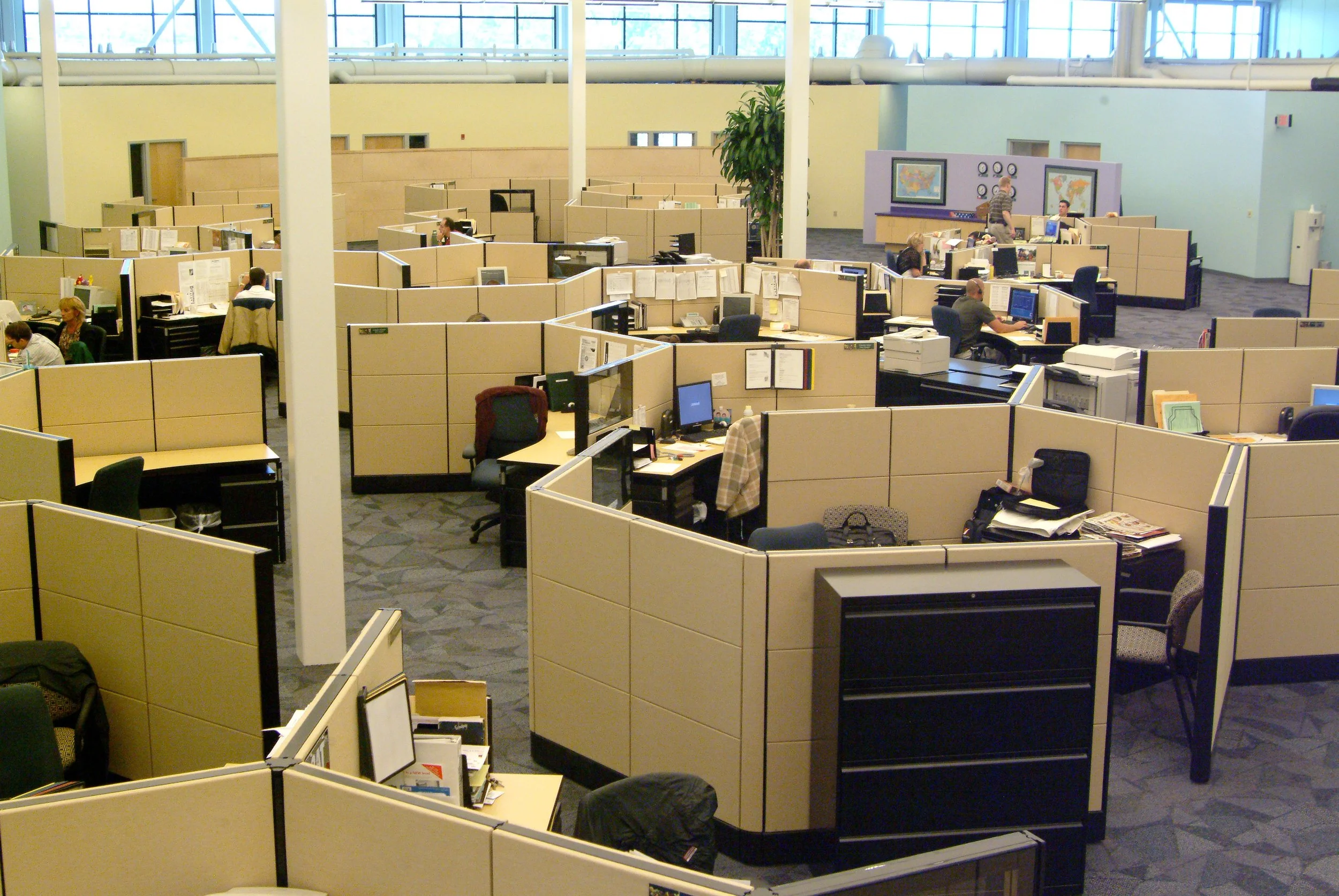
Inside the buildings, space was tight. Offices were crowded. Teams worked side by side with little room to spare.
It was an all-hands-on-deck environment. People worked long hours, doing whatever was needed to keep the business moving.
And it did keep moving.
Four Seasons continued to grow its customer base — especially independent retailers across the region — and built a reputation for service that set it apart.
But it also revealed something important.
Growth had created complexity.

BRINGING IT ALL TOGETHER
At some point, the question became unavoidable:
What would it look like to bring everything under one roof?
That idea had been building for years. With product moving between five facilities and operations spread across locations, the inefficiency was clear.
Bringing everything together would be a major step.
In fact, it would become one of the biggest steps the company had ever taken.
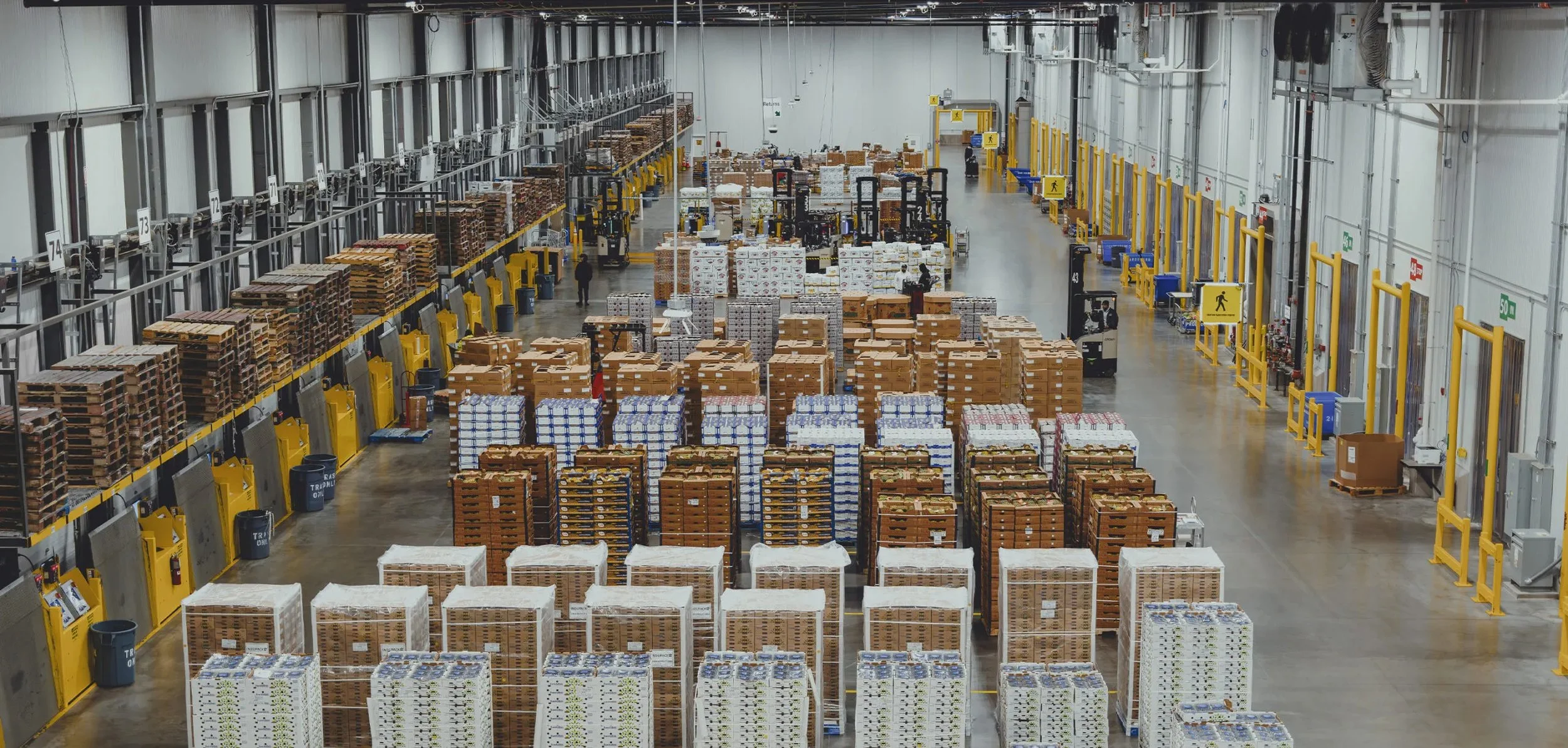
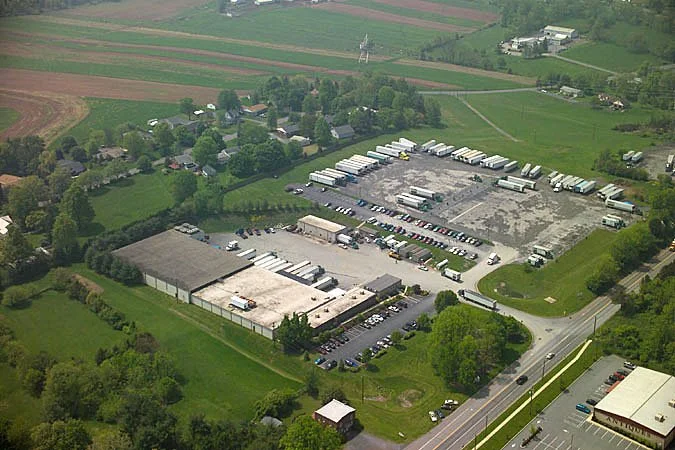
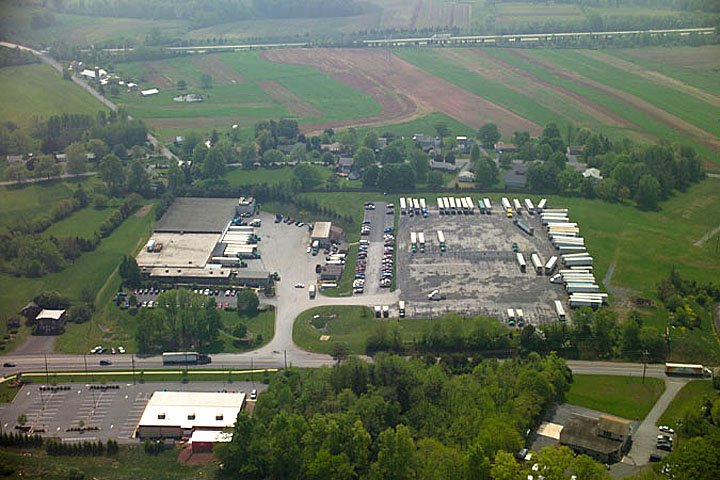
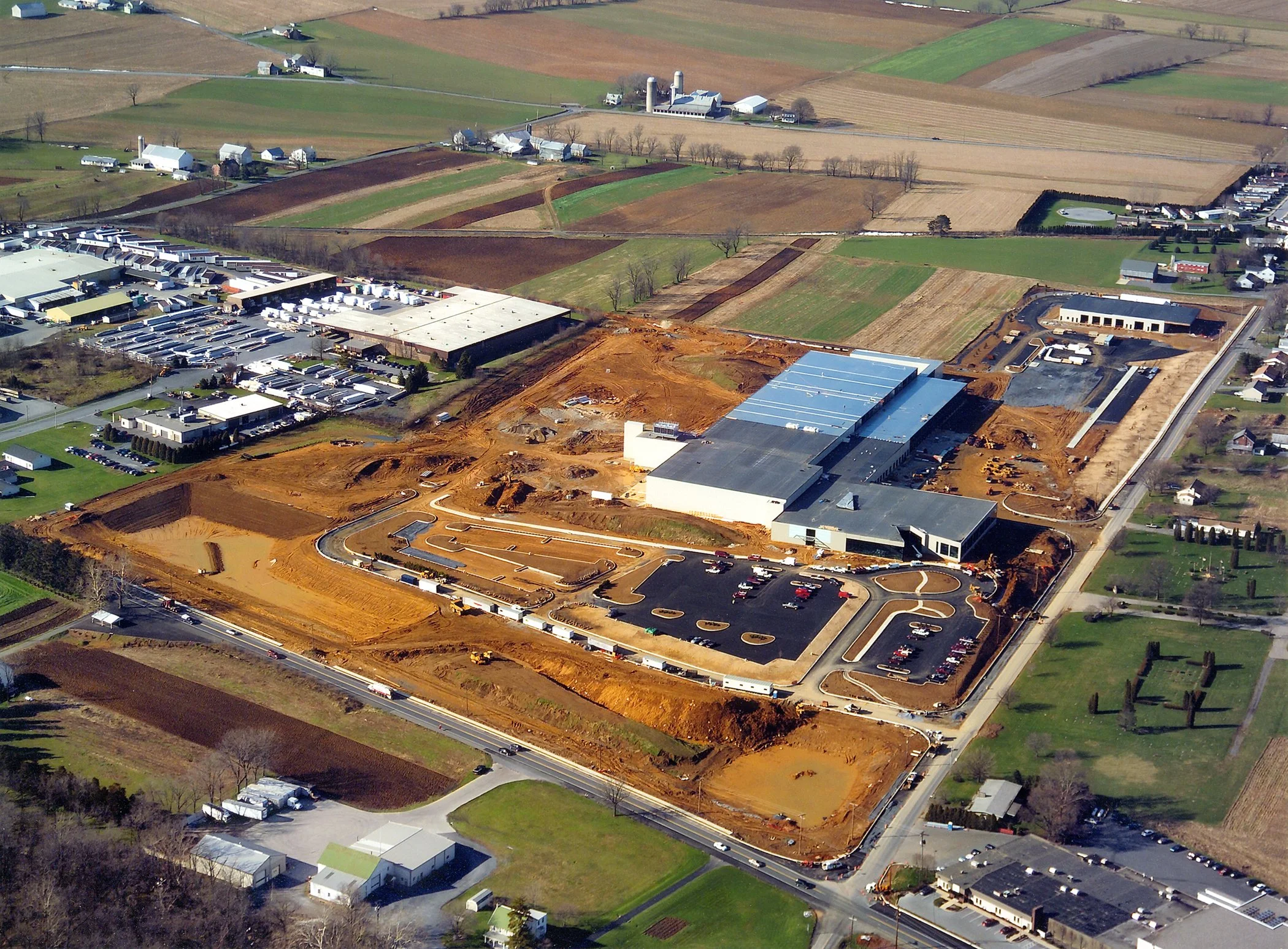
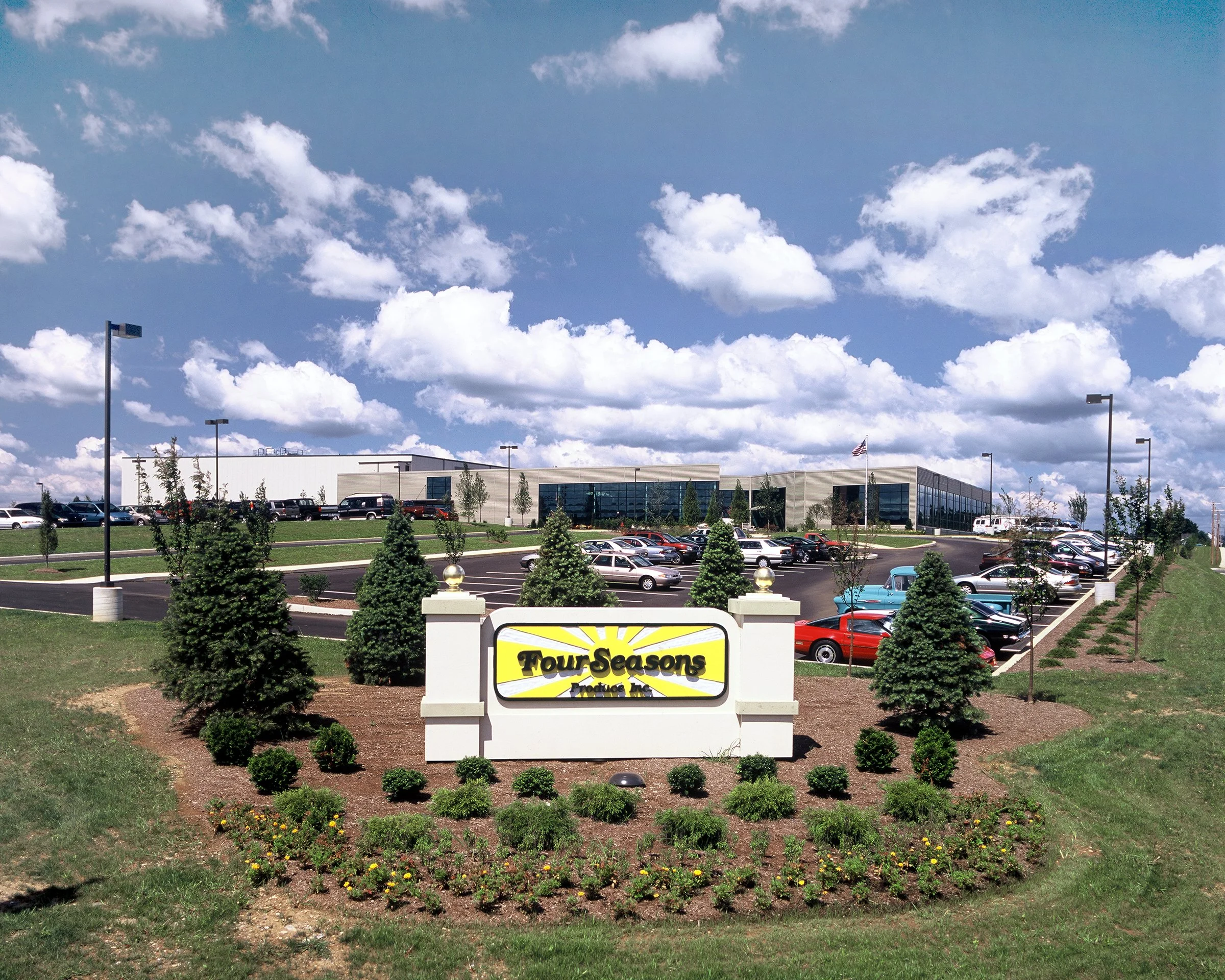
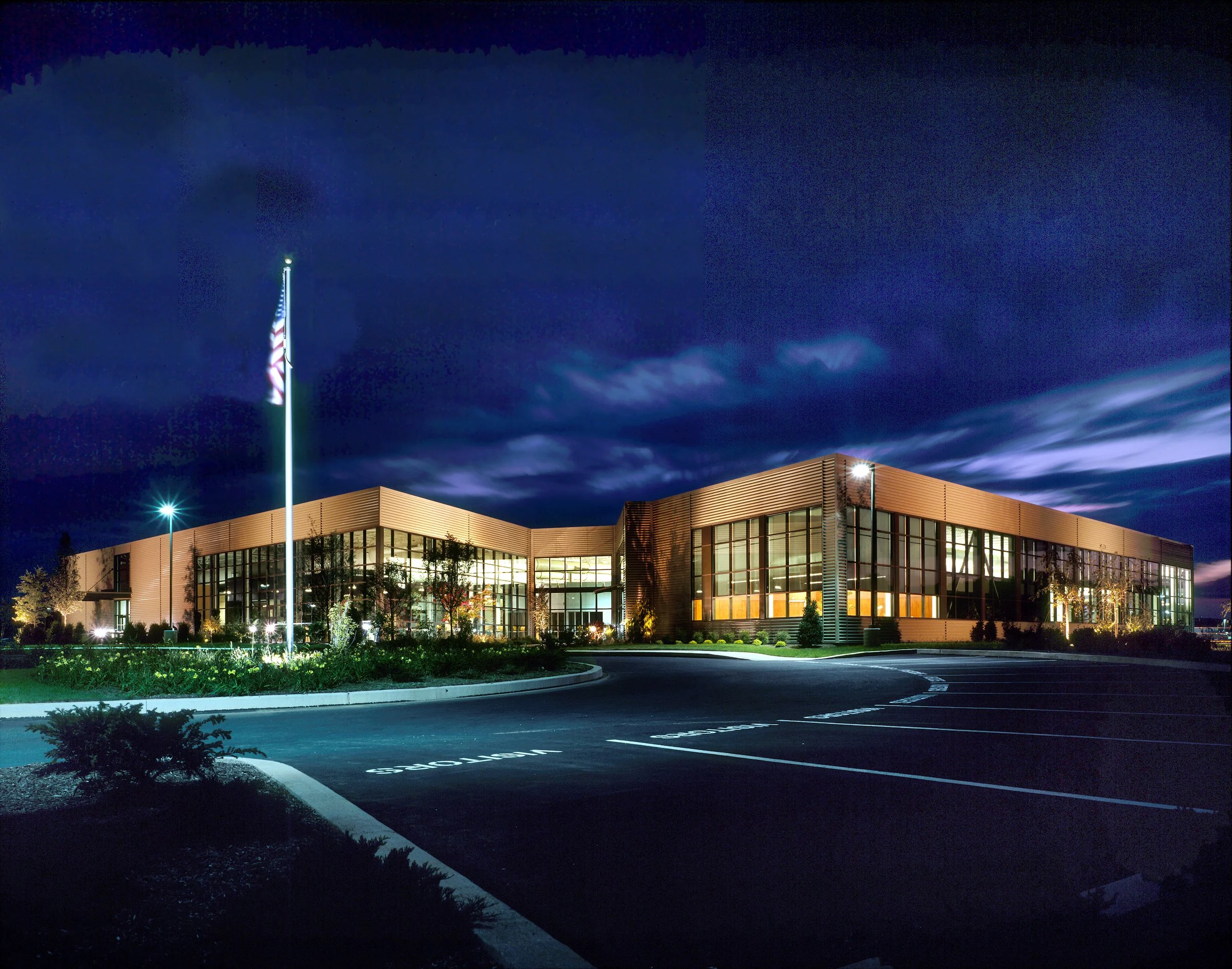
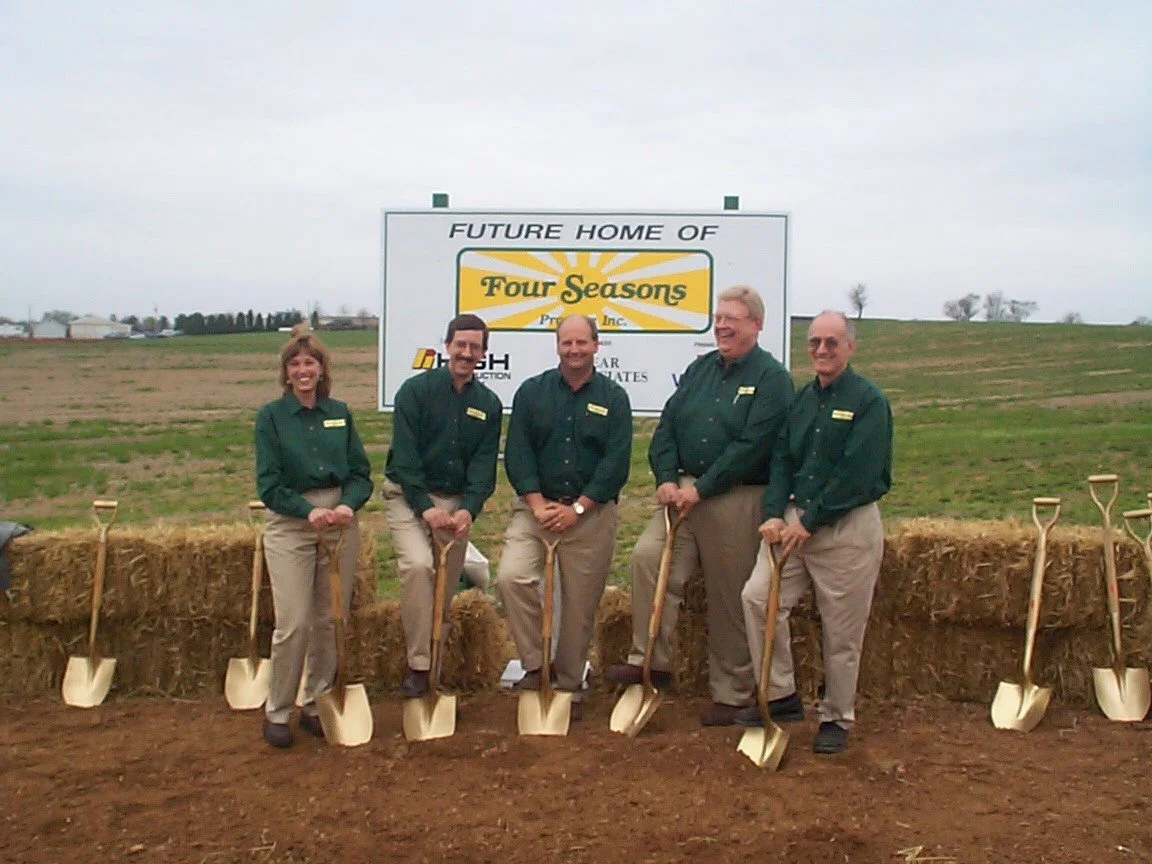
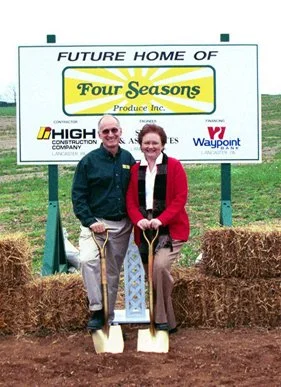
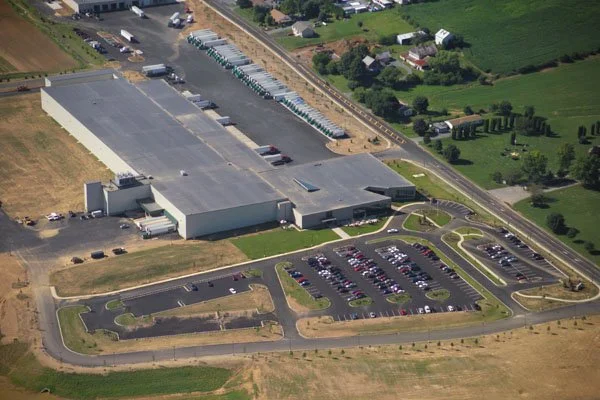
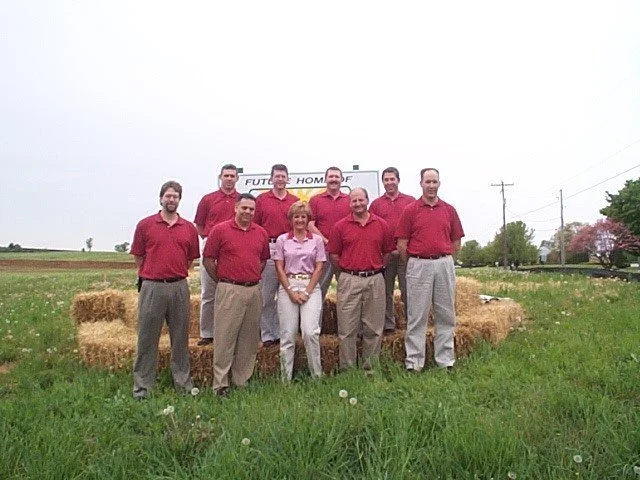
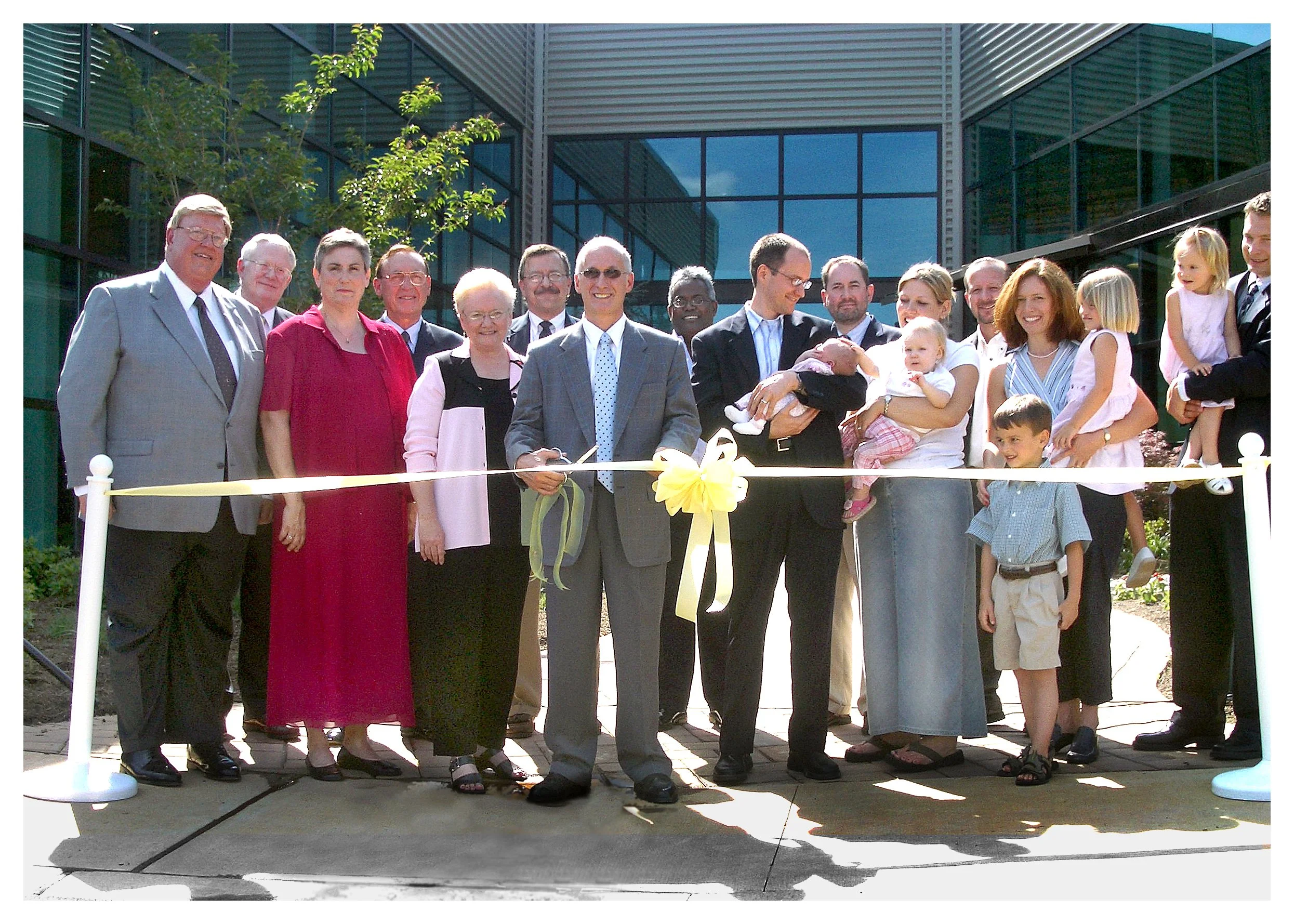
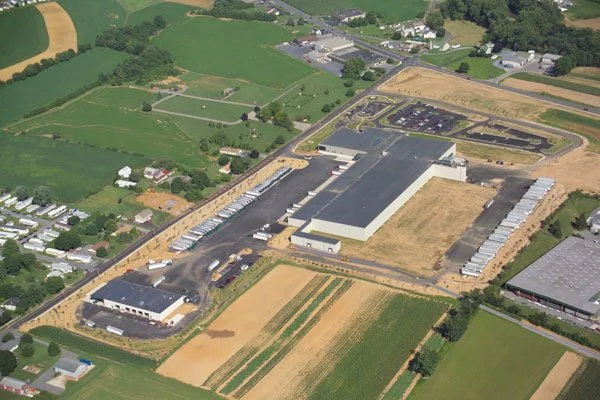
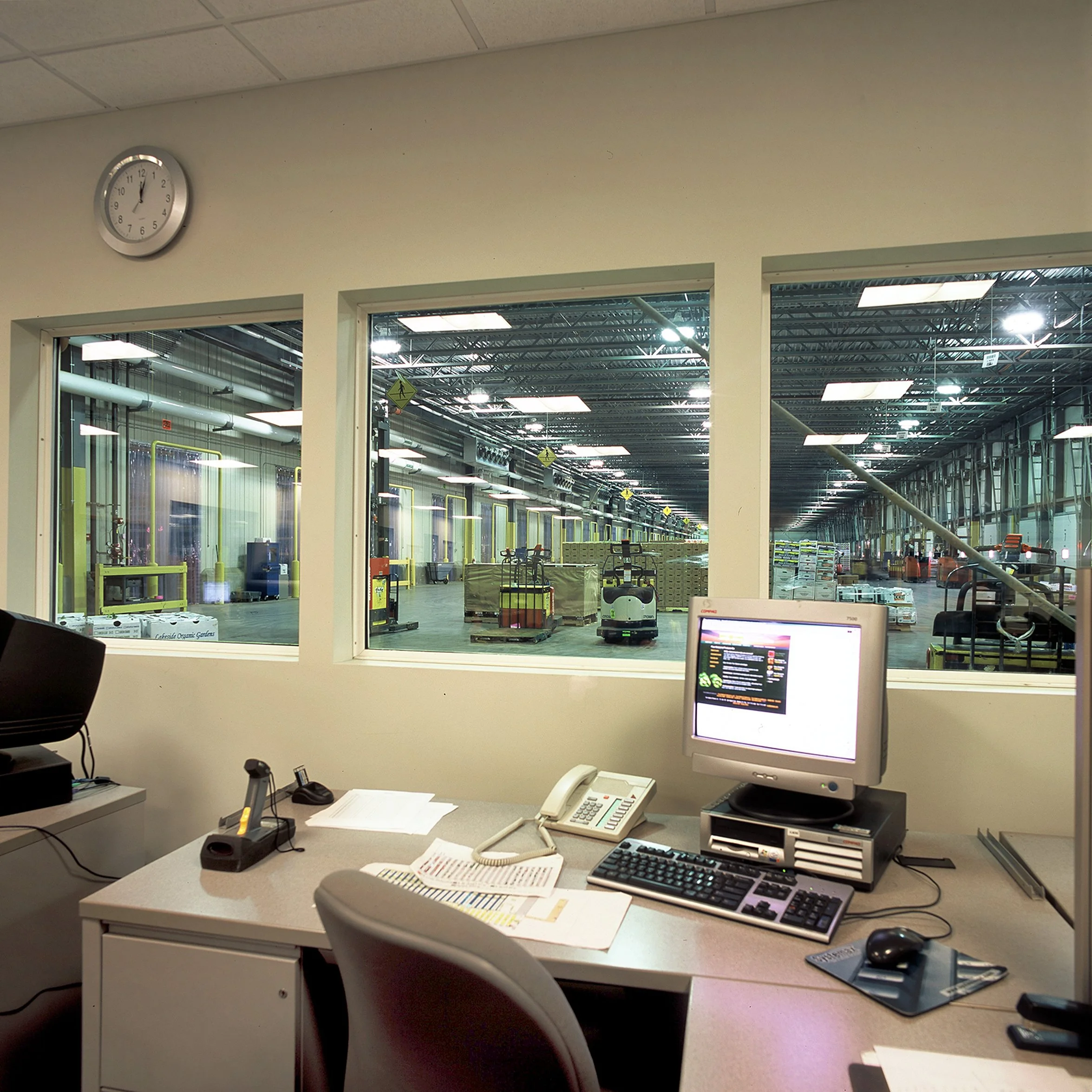
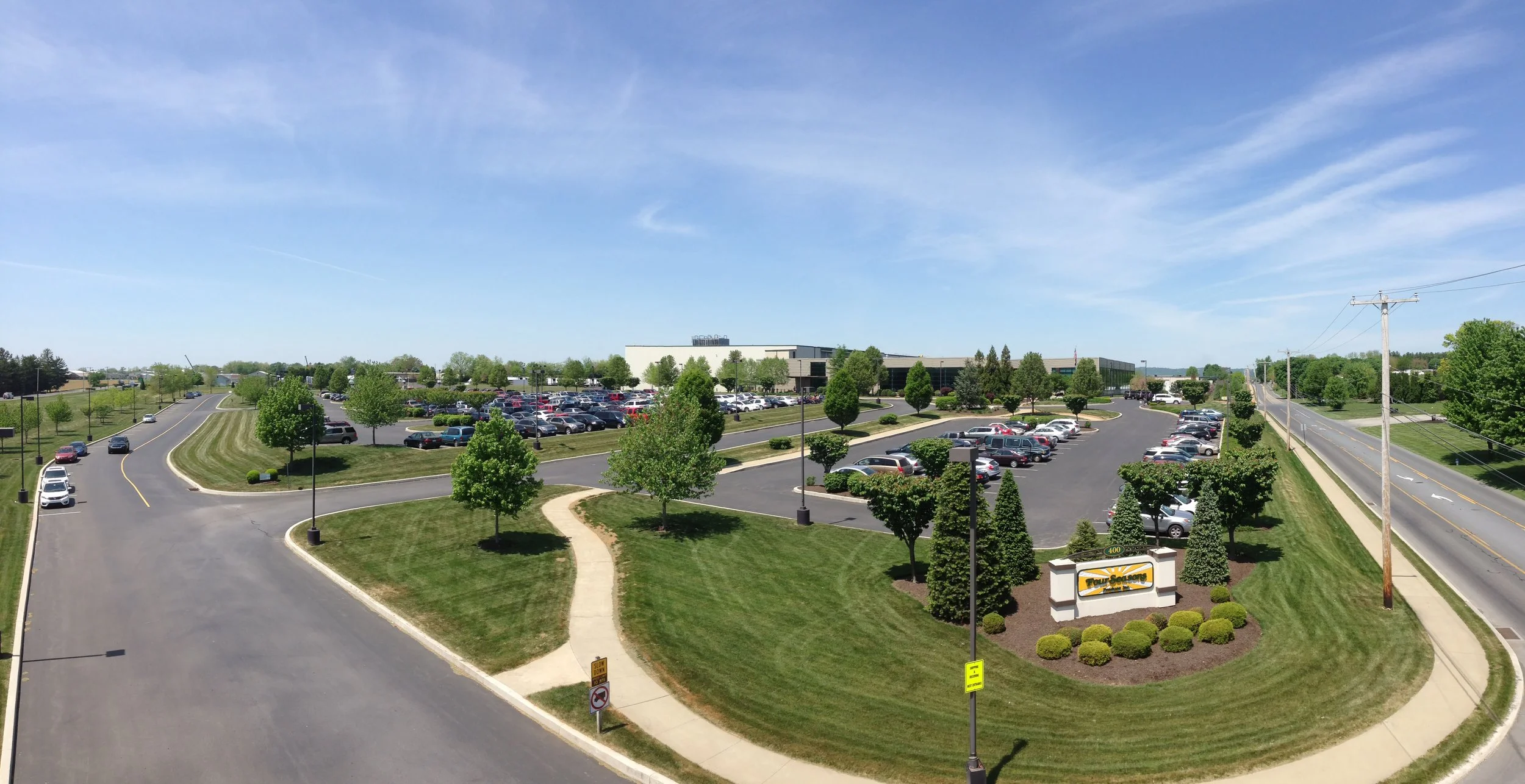
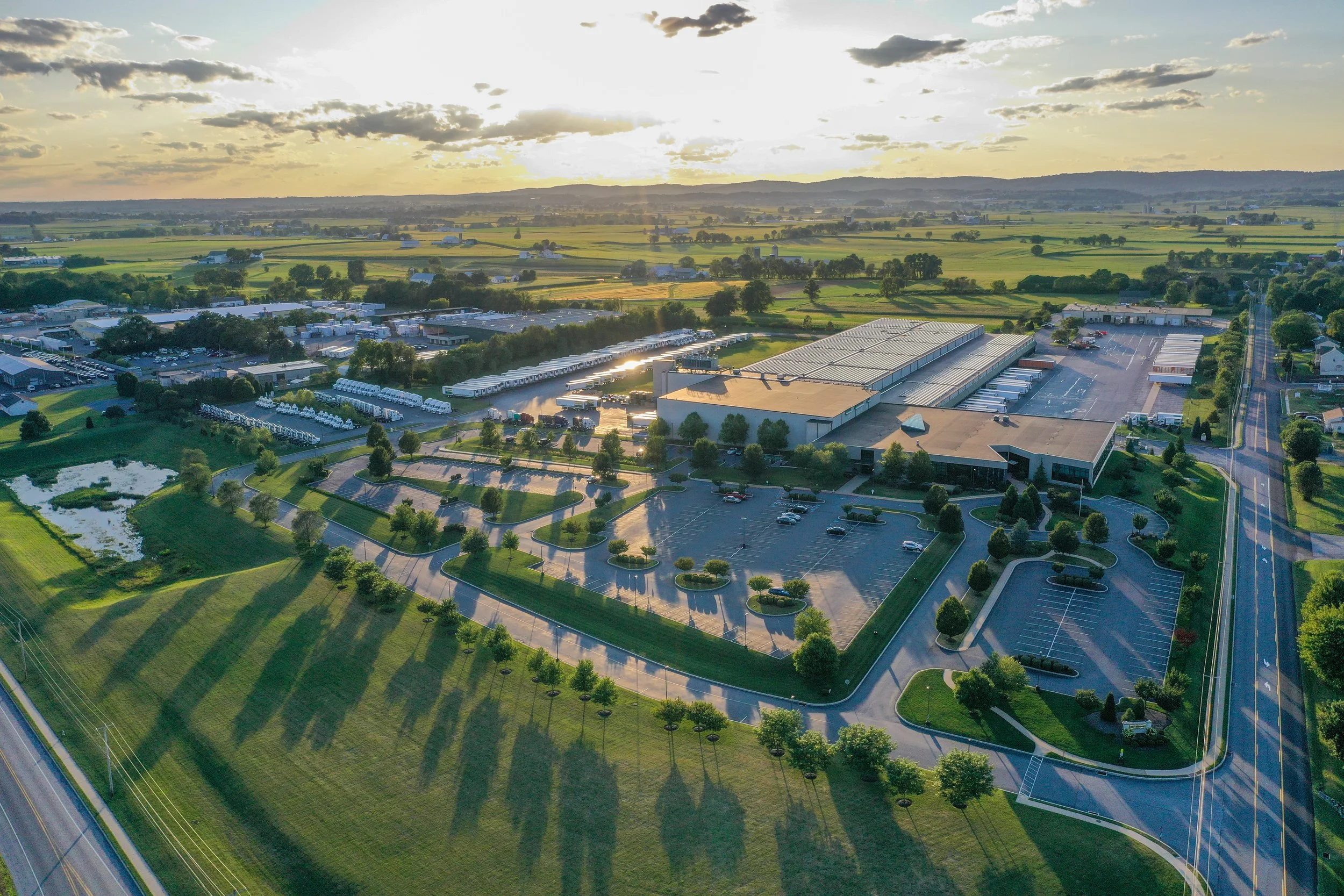
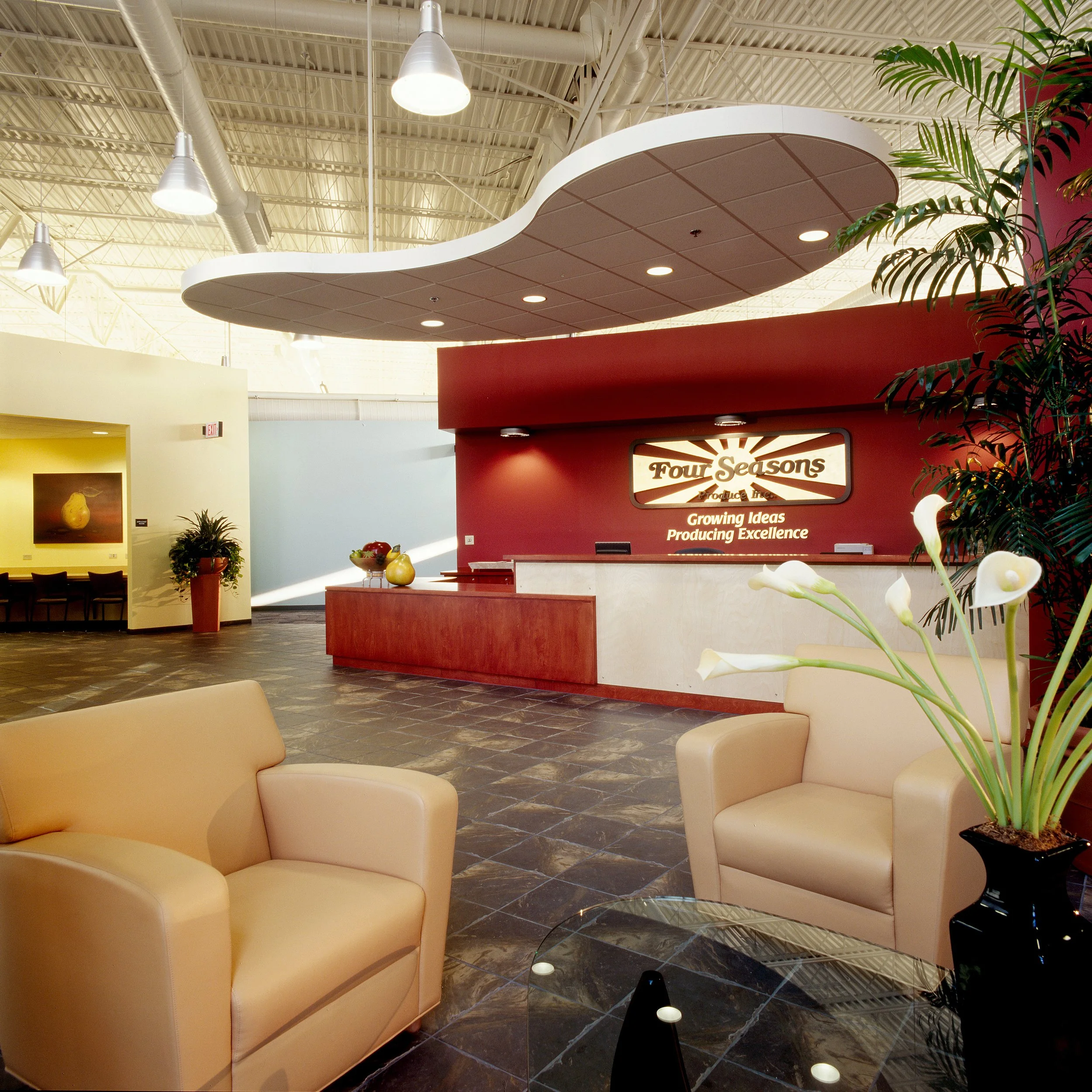
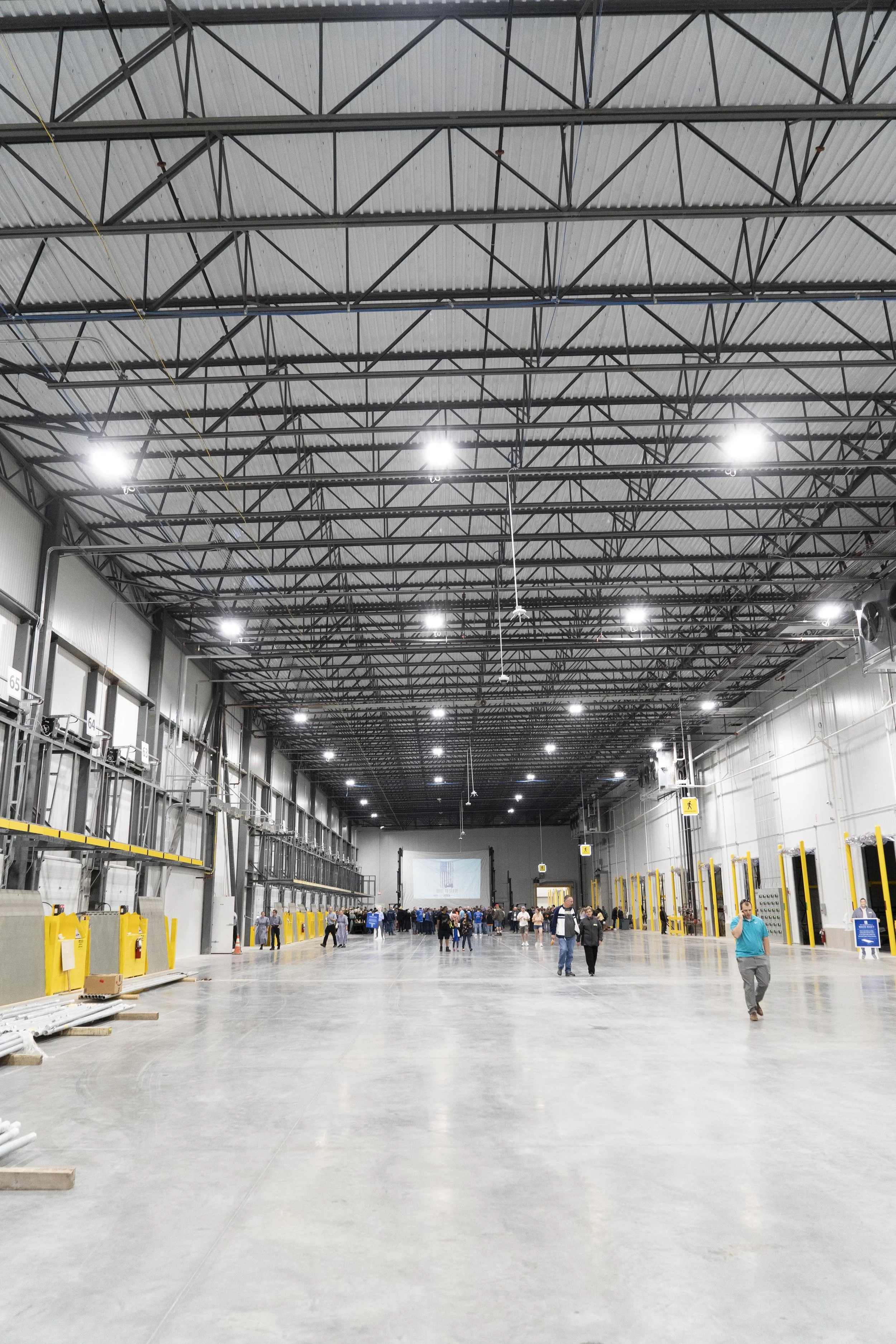
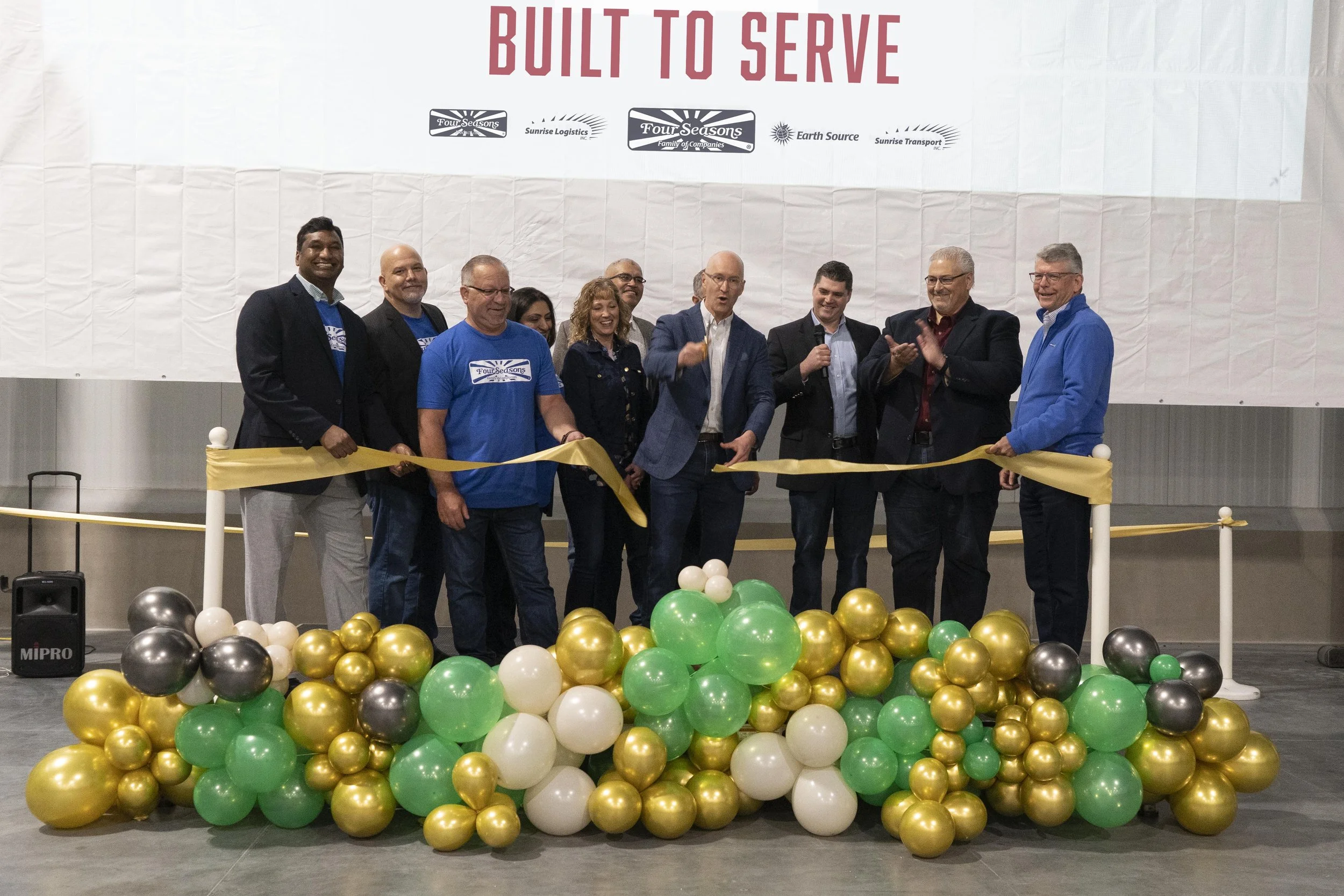
That step became the development of 400 Wabash Road in Ephrata, PA, a 200,000 ft state-of-the-art refrigerated distribution center and corporate headquarters, complete with a new packing operation and truck shop.
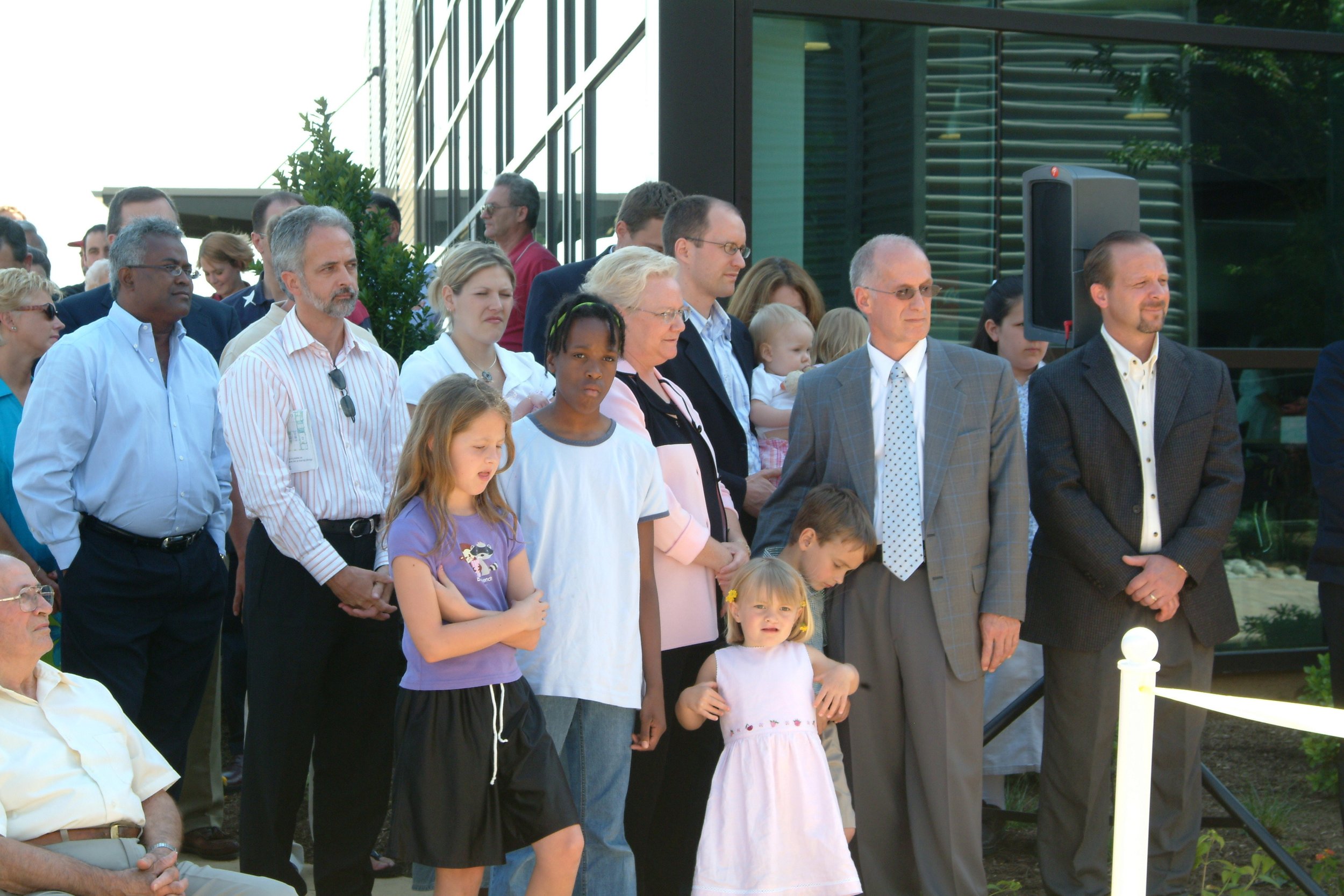
When the facility opened in 2004, it changed everything.
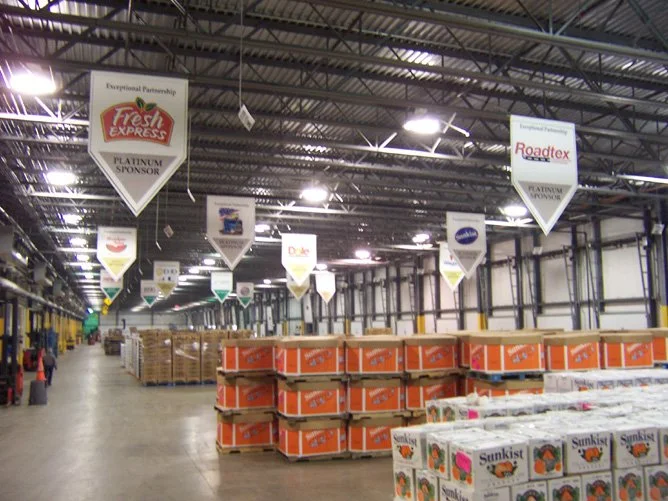
For the first time, product could move through a single, integrated operation instead of traveling between multiple buildings. Fewer transfers meant fewer touches. Fewer touches meant fewer delays, less damage, and better flow.
The improvement was immediate. But the impact went beyond operations. 400 Wabash represented something bigger. It was a commitment to building not just for today’s needs, but for what the company could become.
SEEING THE DETAILS
That vision was not only about scale.
It was about how the place worked — and how it felt.
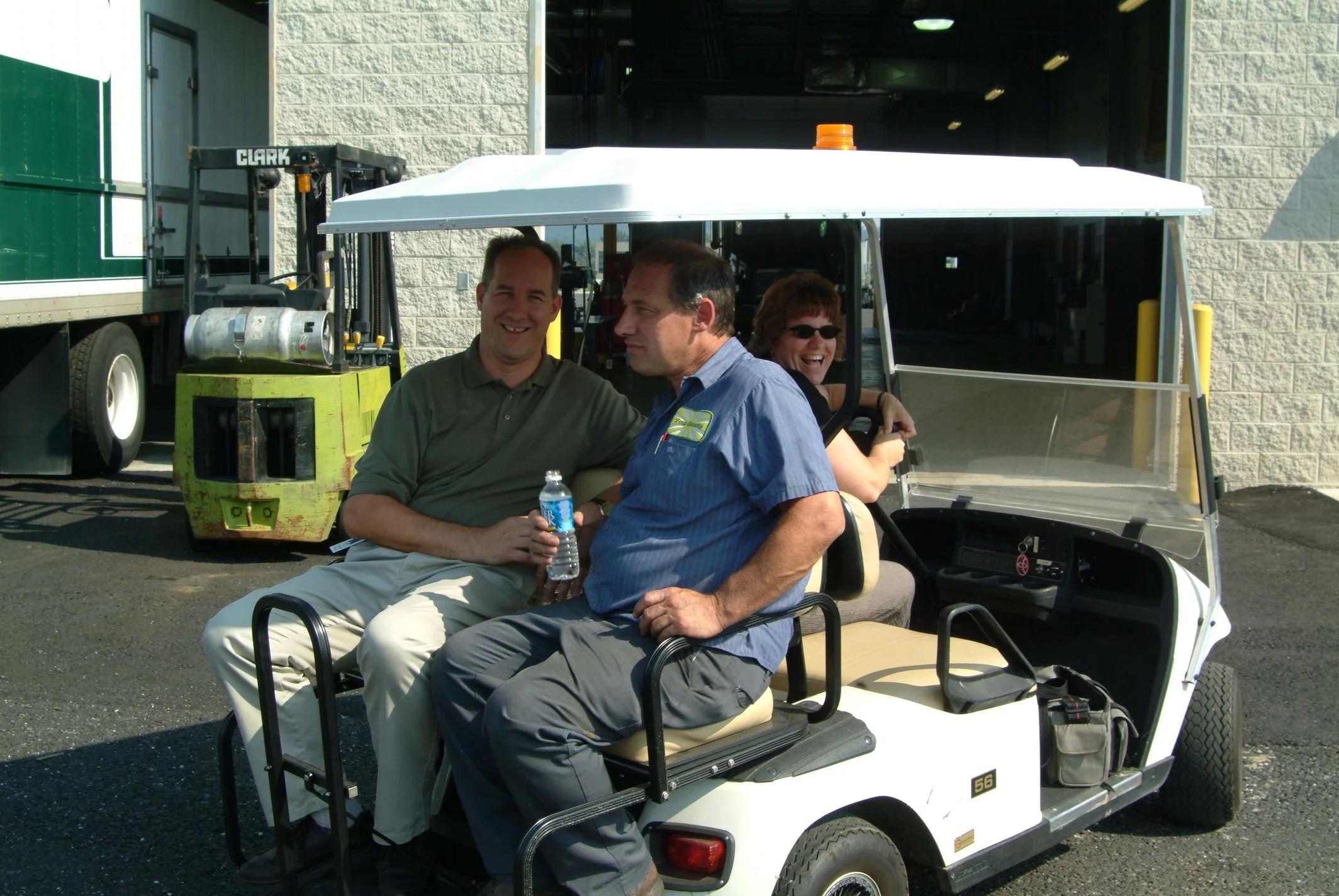
For years, David would ride the property with members of the facilities team, often in a golf cart, looking closely at everything: traffic flow, lighting, pavement, landscaping, equipment.
Those rides were informal, but they were intentional.
They were a way to notice things others might miss. A way to identify improvements before they became problems. A way to keep raising the standard.
It was a simple habit.
But it reflected something deeper.
David believed that the details mattered — because they shaped how people experienced the workplace every day.
BUILDING A PLACE FOR PEOPLE
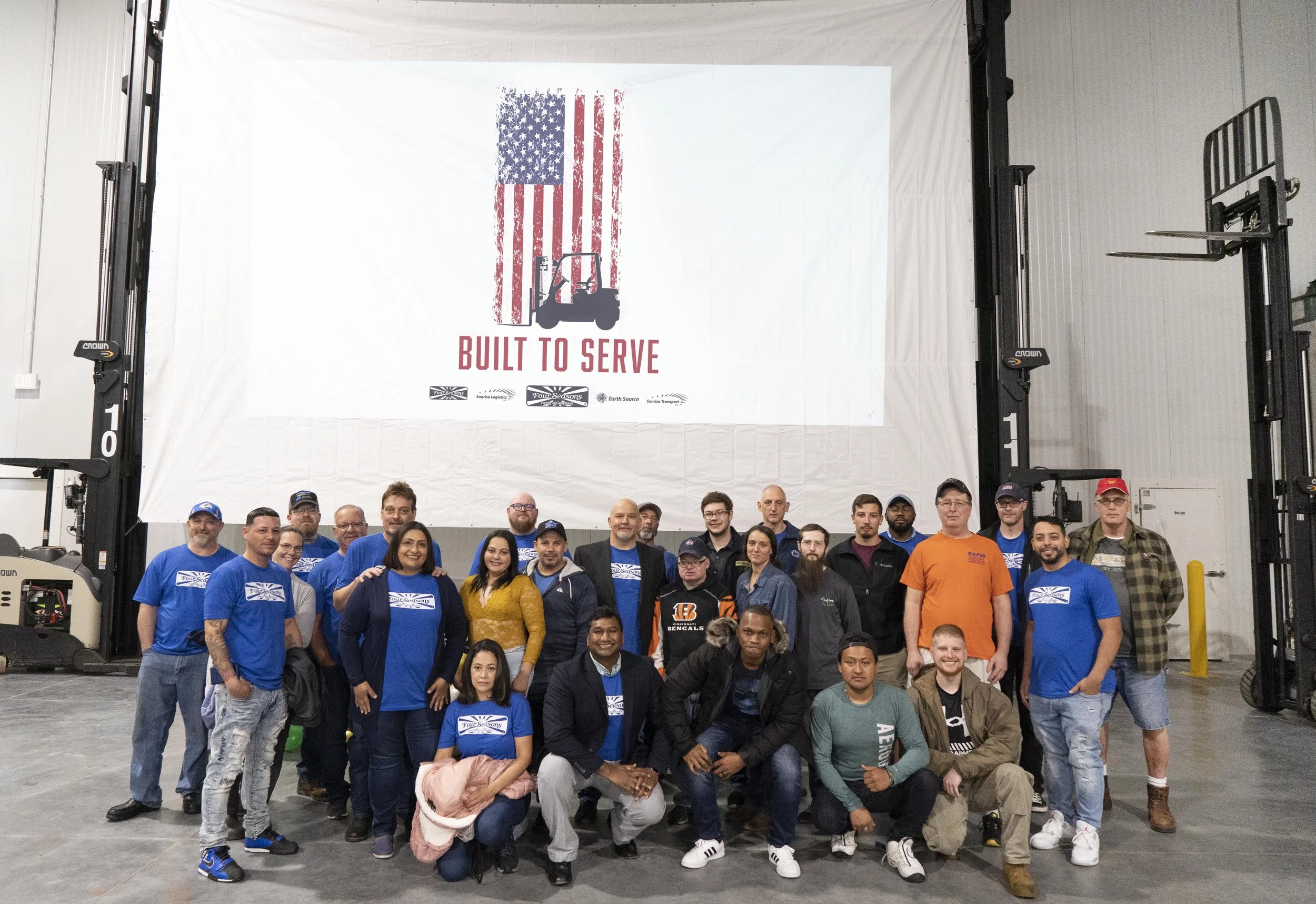
From the beginning, Four Seasons Produce was built around people.
Serving customers well. Treating suppliers fairly. Creating an environment where associates could grow.
That belief carried directly into the design of 400 Wabash.
Four Seasons operates around the clock. Work happens on second shift, third shift, and in refrigerated environments where the job can be physically demanding.
Those realities could not be changed.
But David believed something else could be.
The experience of coming to work.
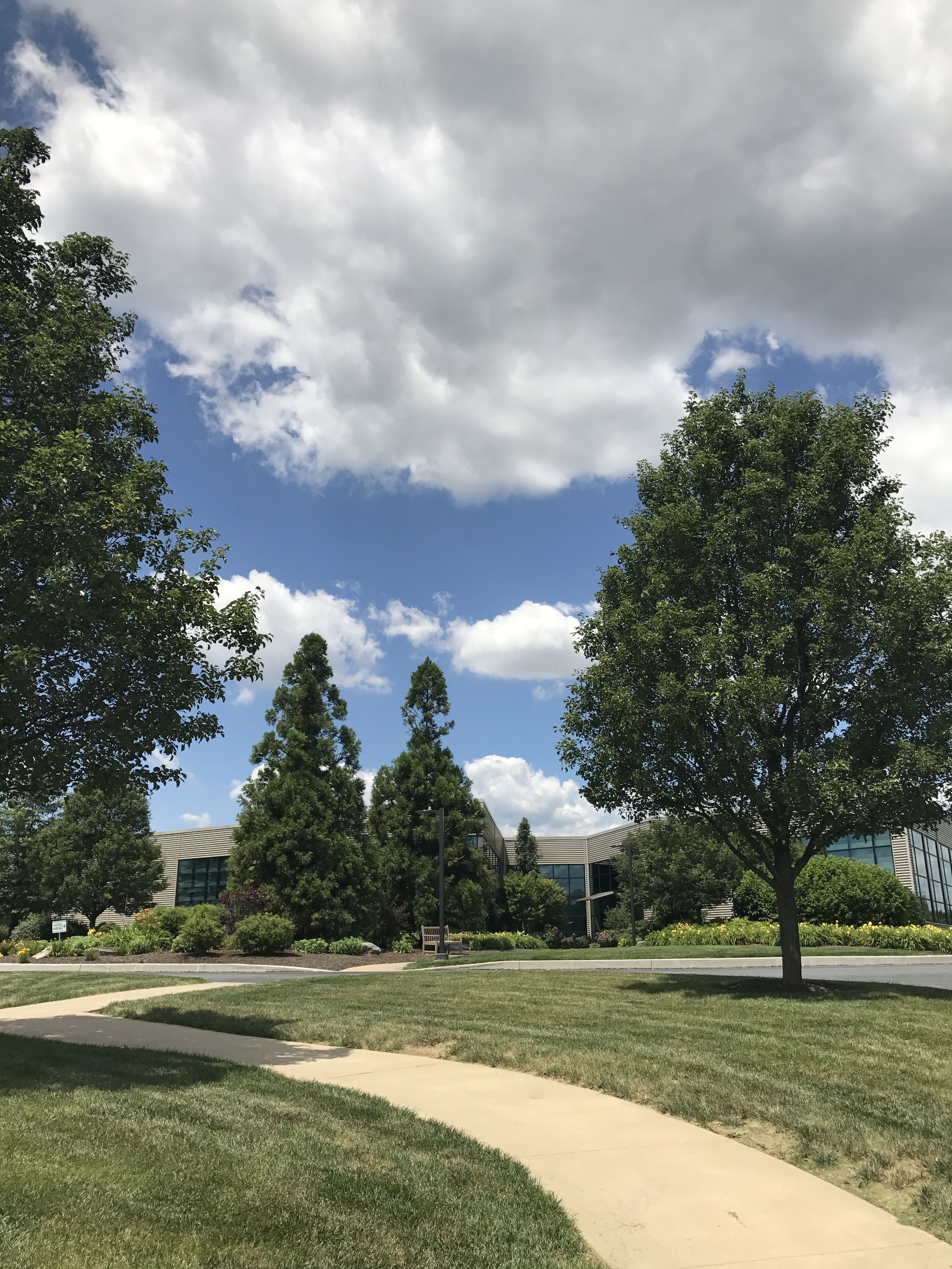
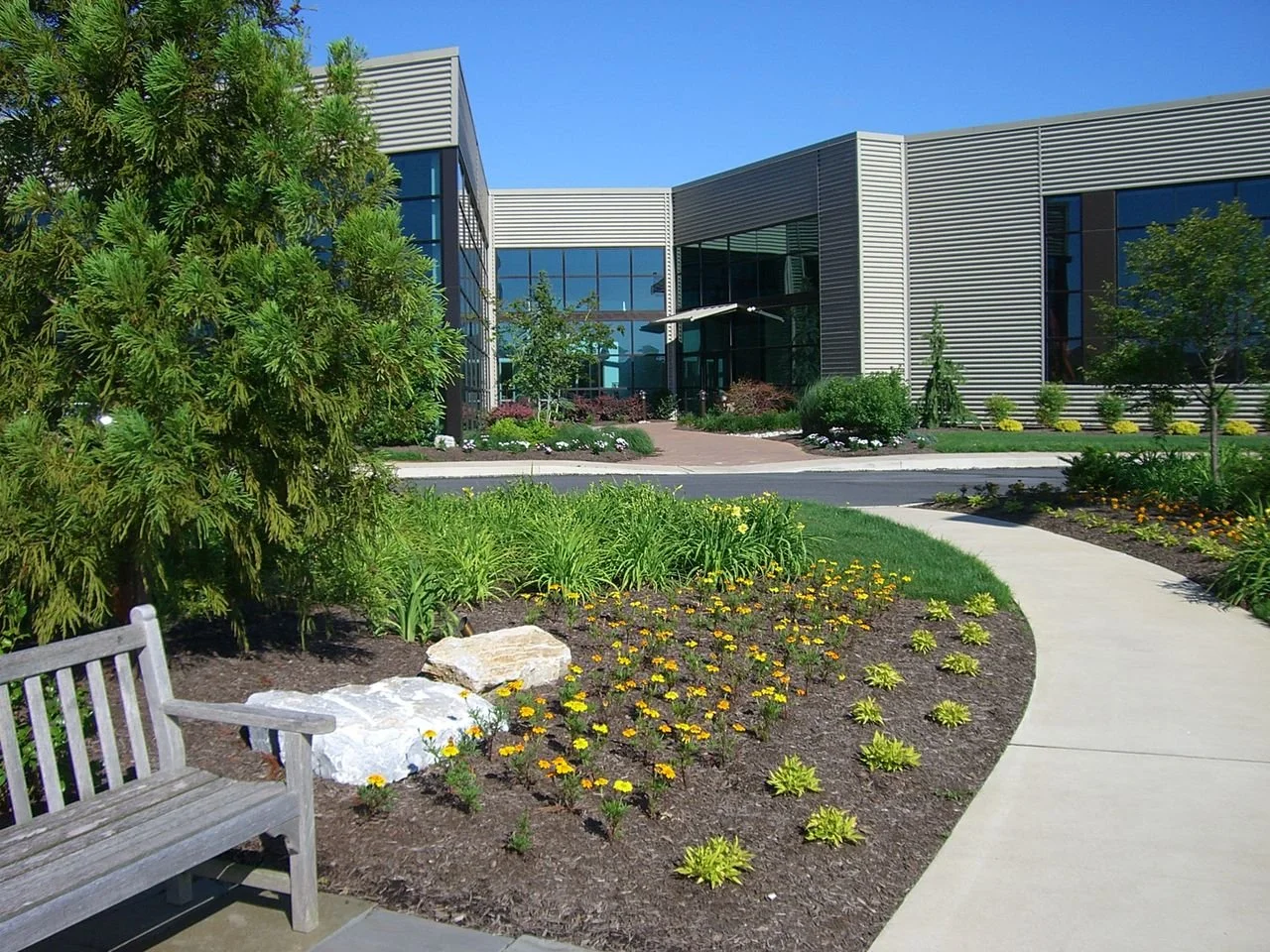
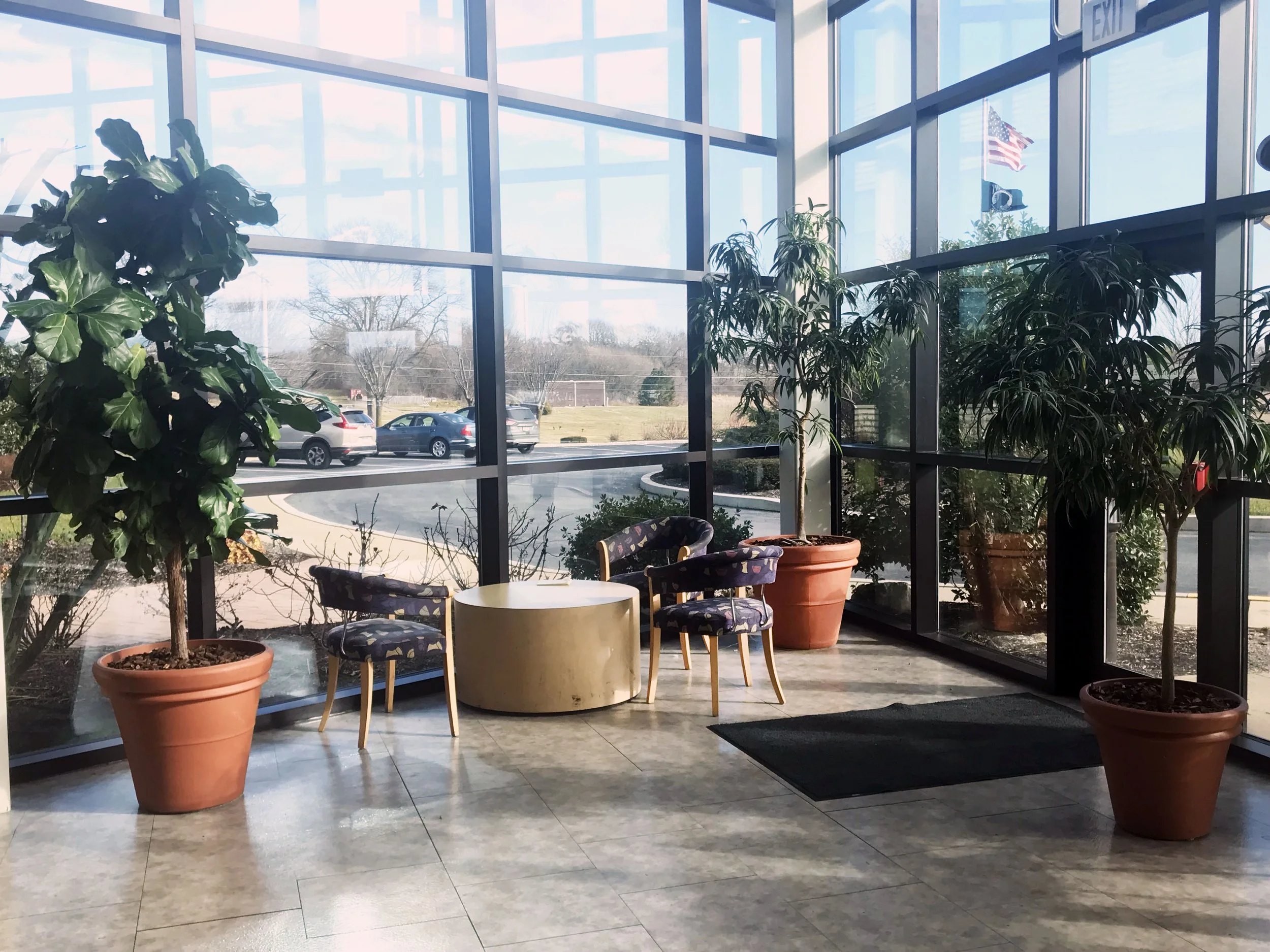
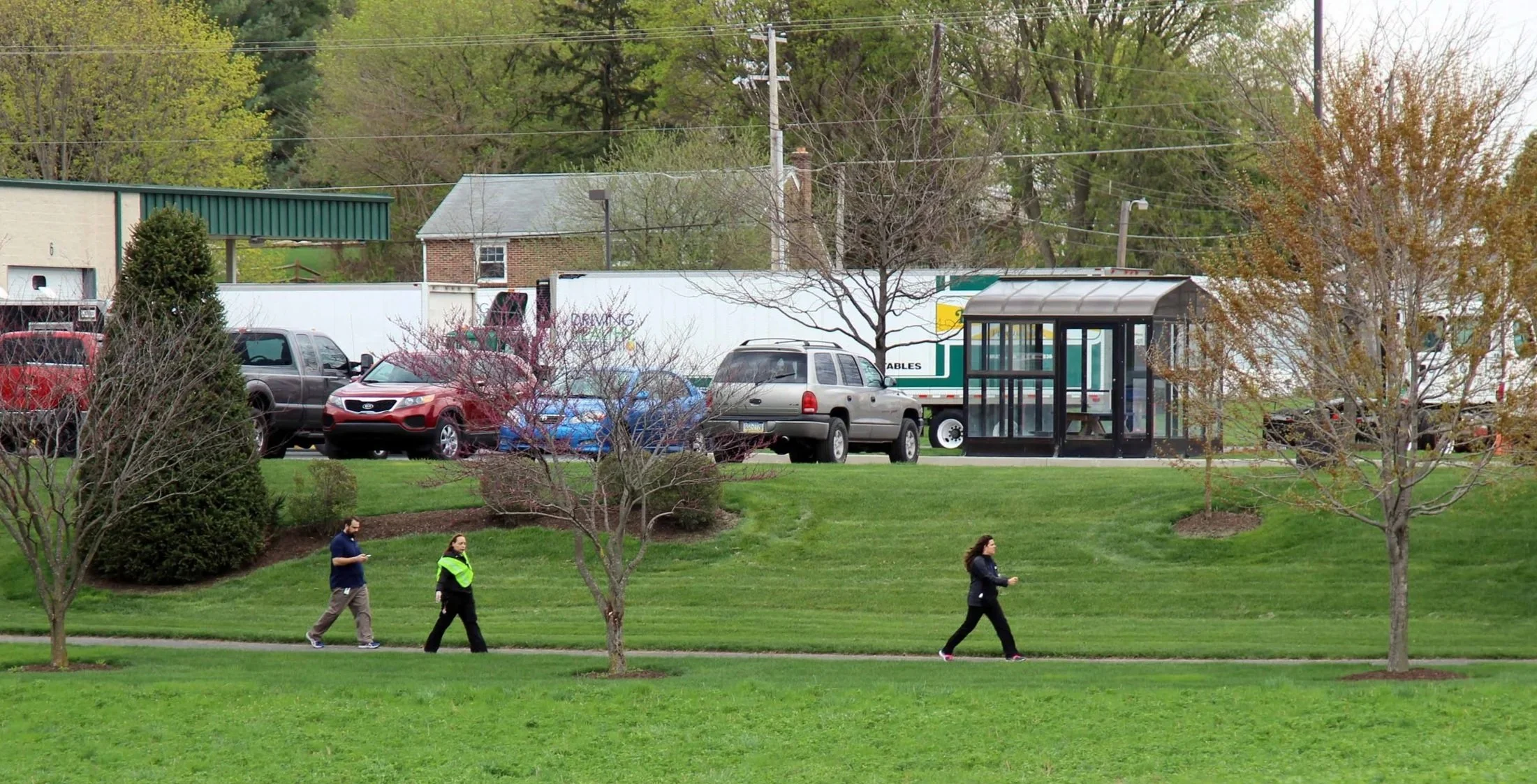
The grounds were landscaped intentionally, especially along the associate entrance, so that arriving at work would feel welcoming rather than industrial.
Inside the building, the original plan called for a standard warehouse breakroom.
David had a different vision.
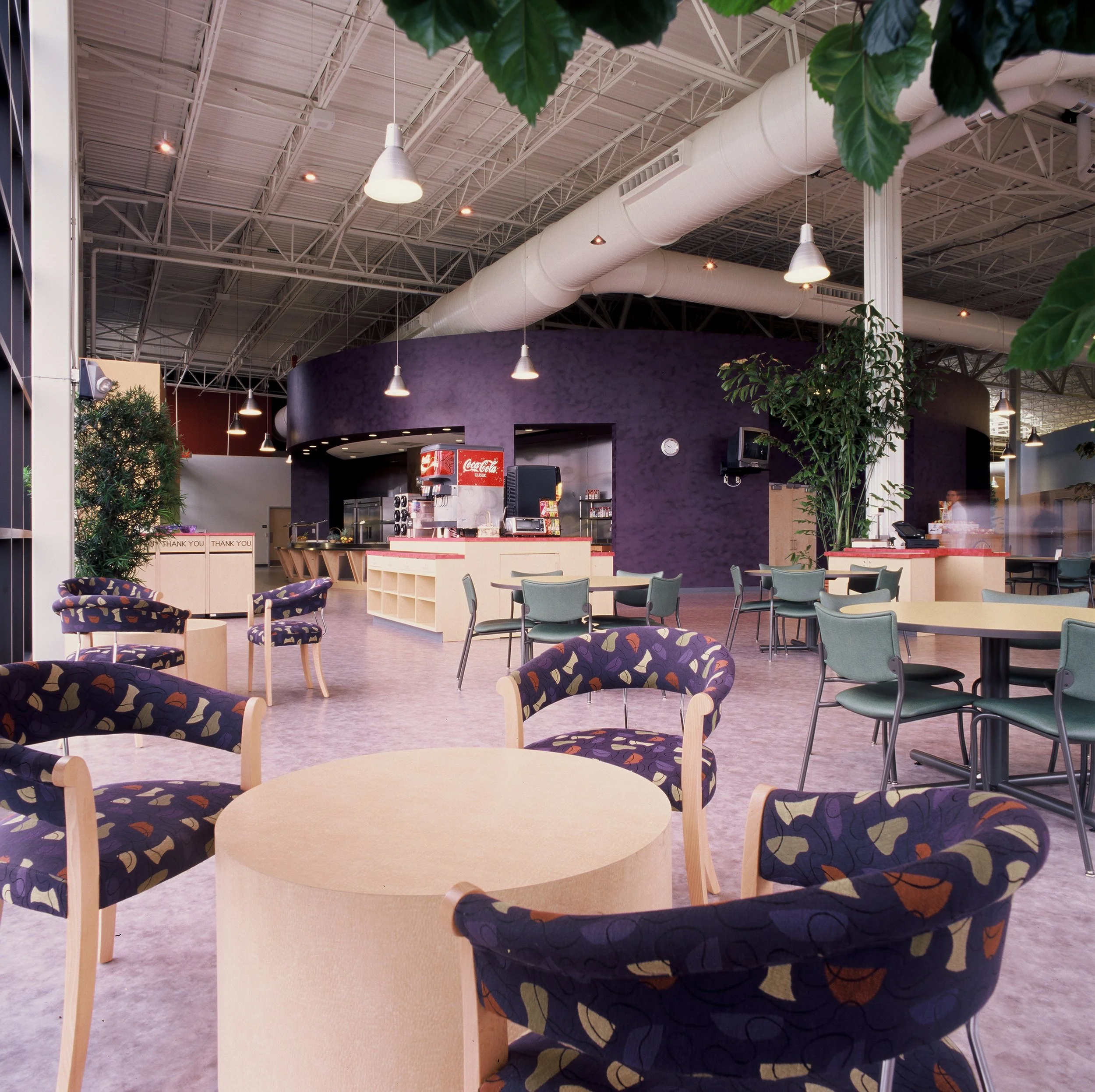
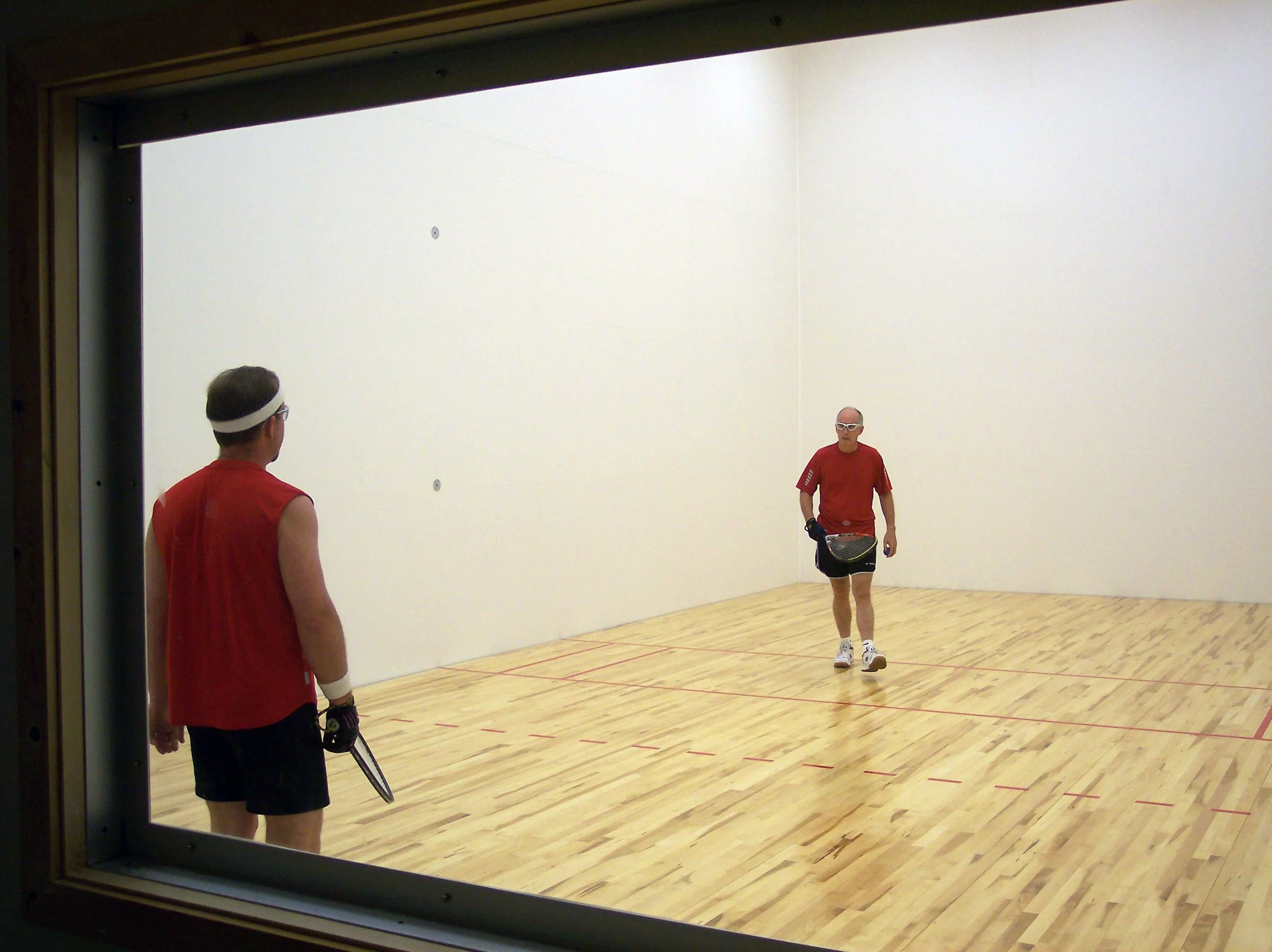
He wanted a space where associates could step away from the floor, sit comfortably, and feel taken care of. The result was a café with two stories of natural light and floor-to-ceiling windows — a space designed to reflect the same care the company tried to show its customers.
That thinking was rooted in a simple idea:
If you create the right environment, people will grow within it.
gROWING THE WABASH CAMPUS
The opening of 400 Wabash solved the five-building problem.
But it did not stop the growth.
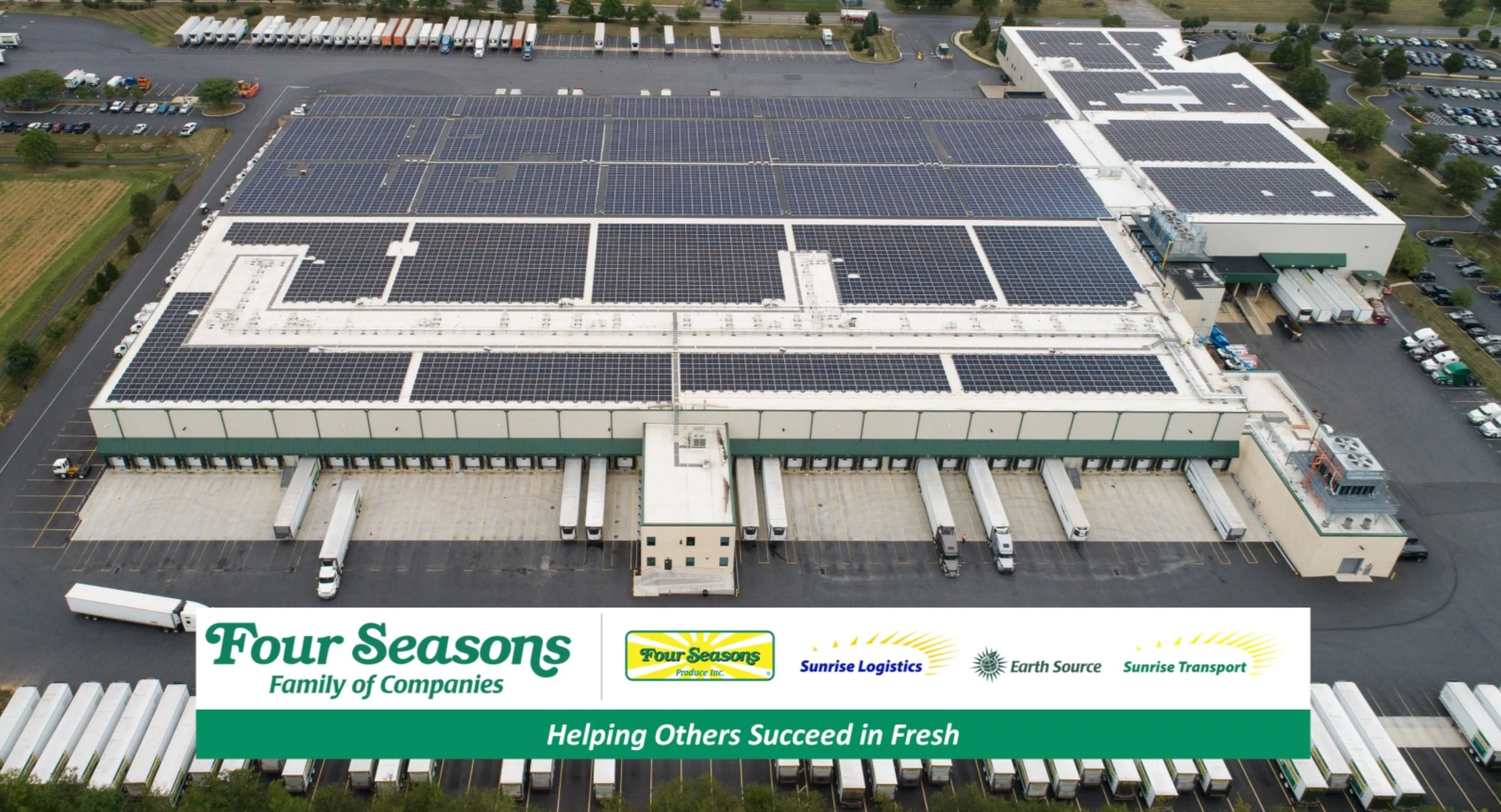
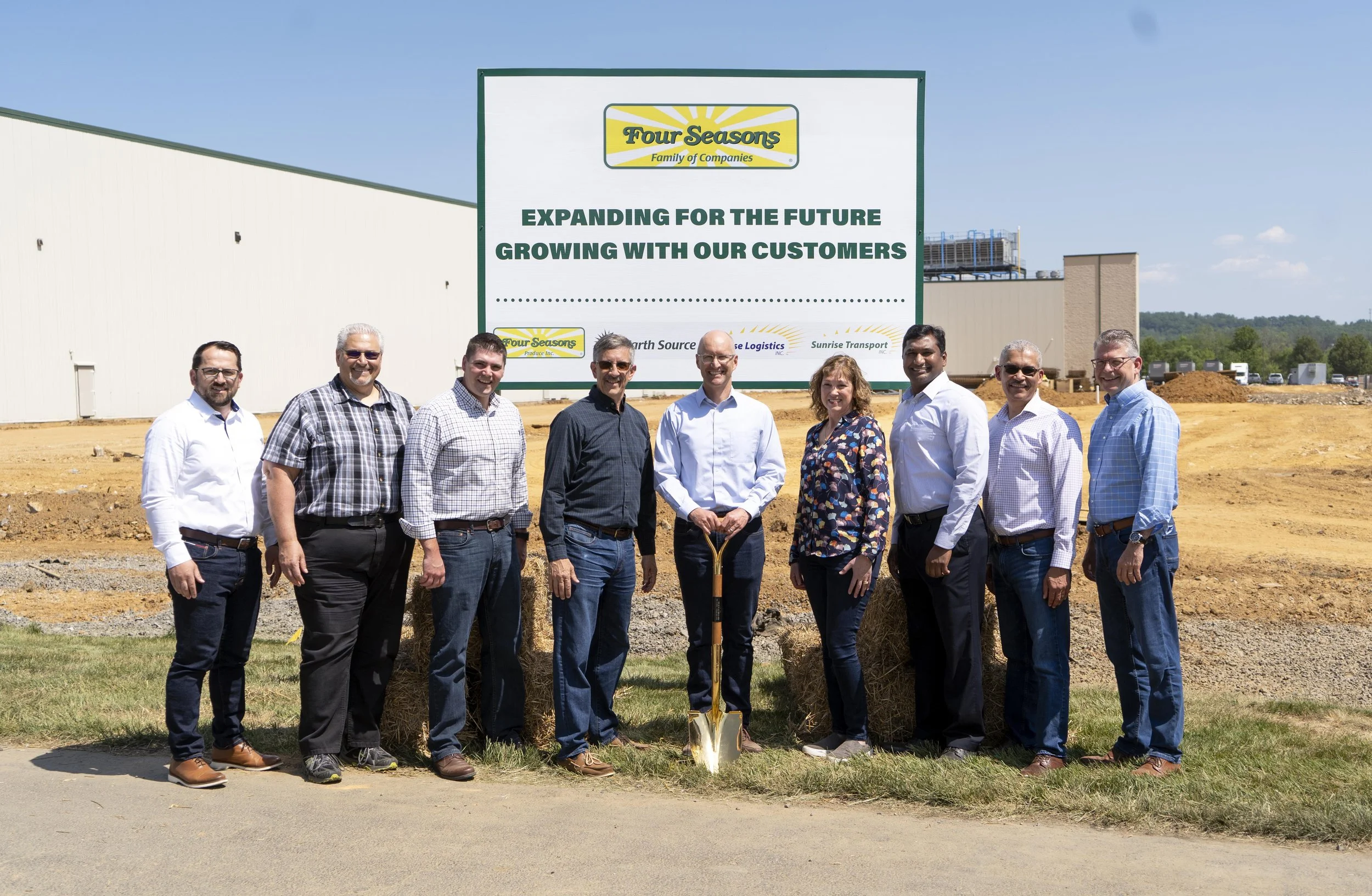
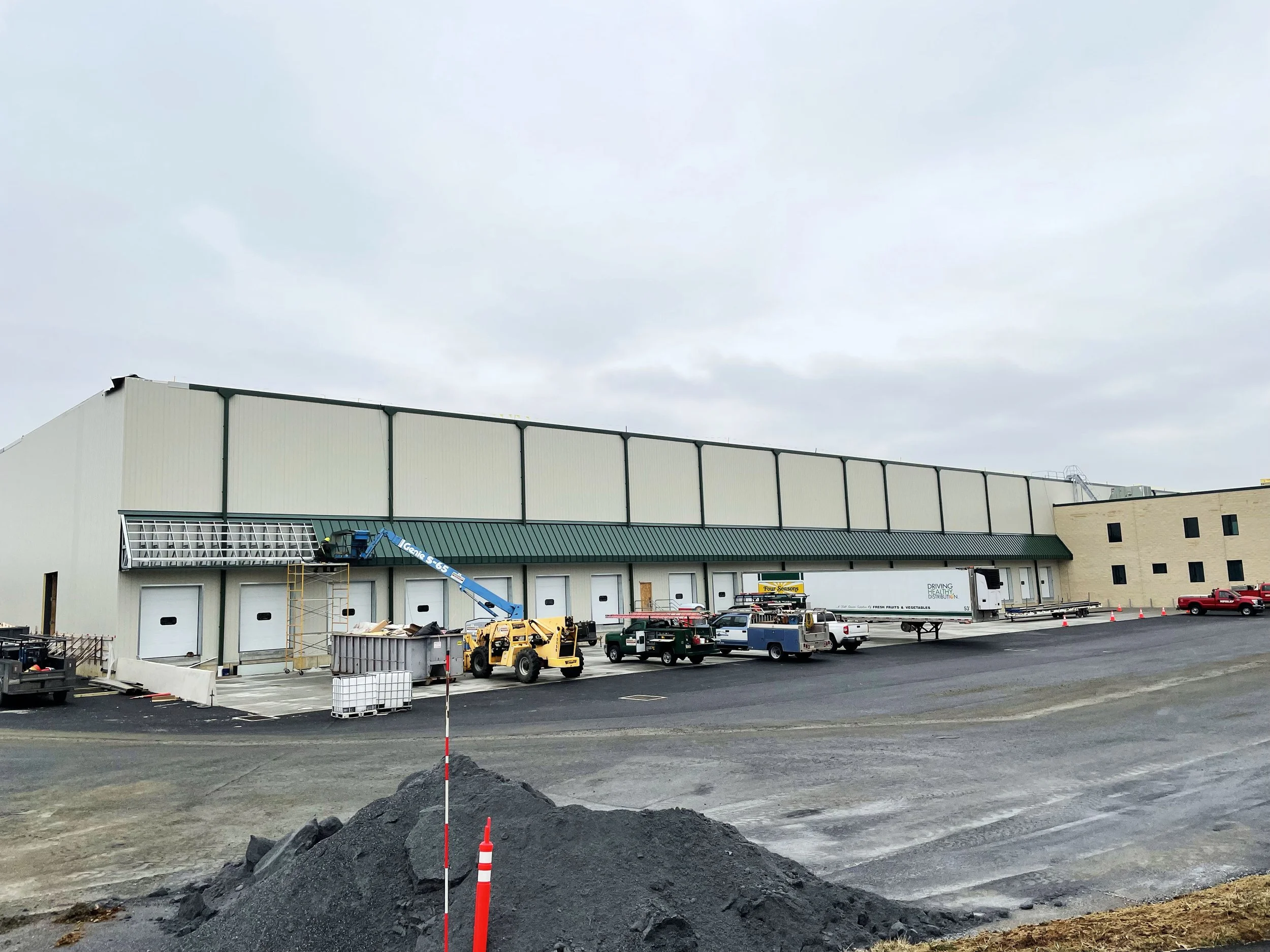
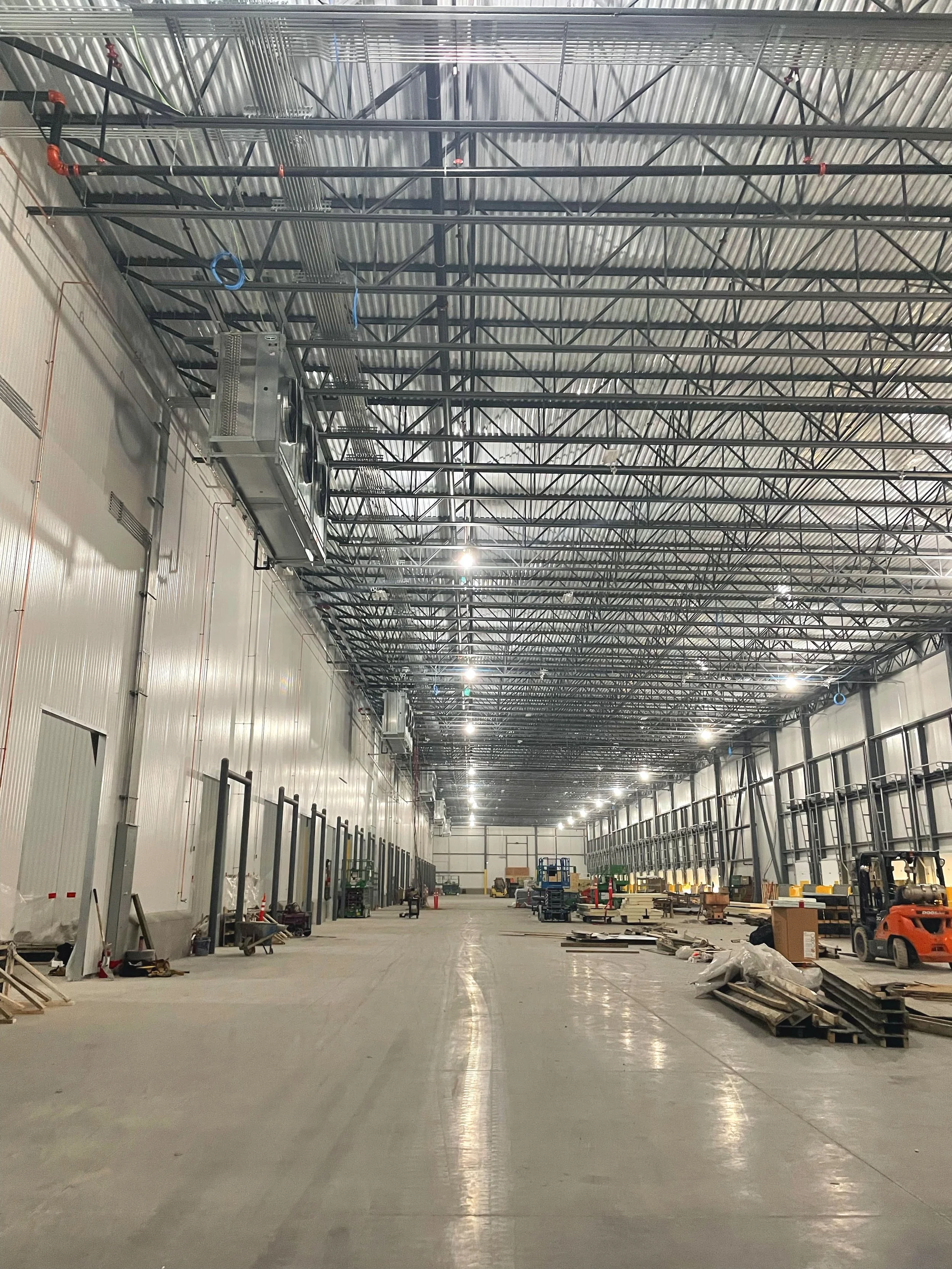
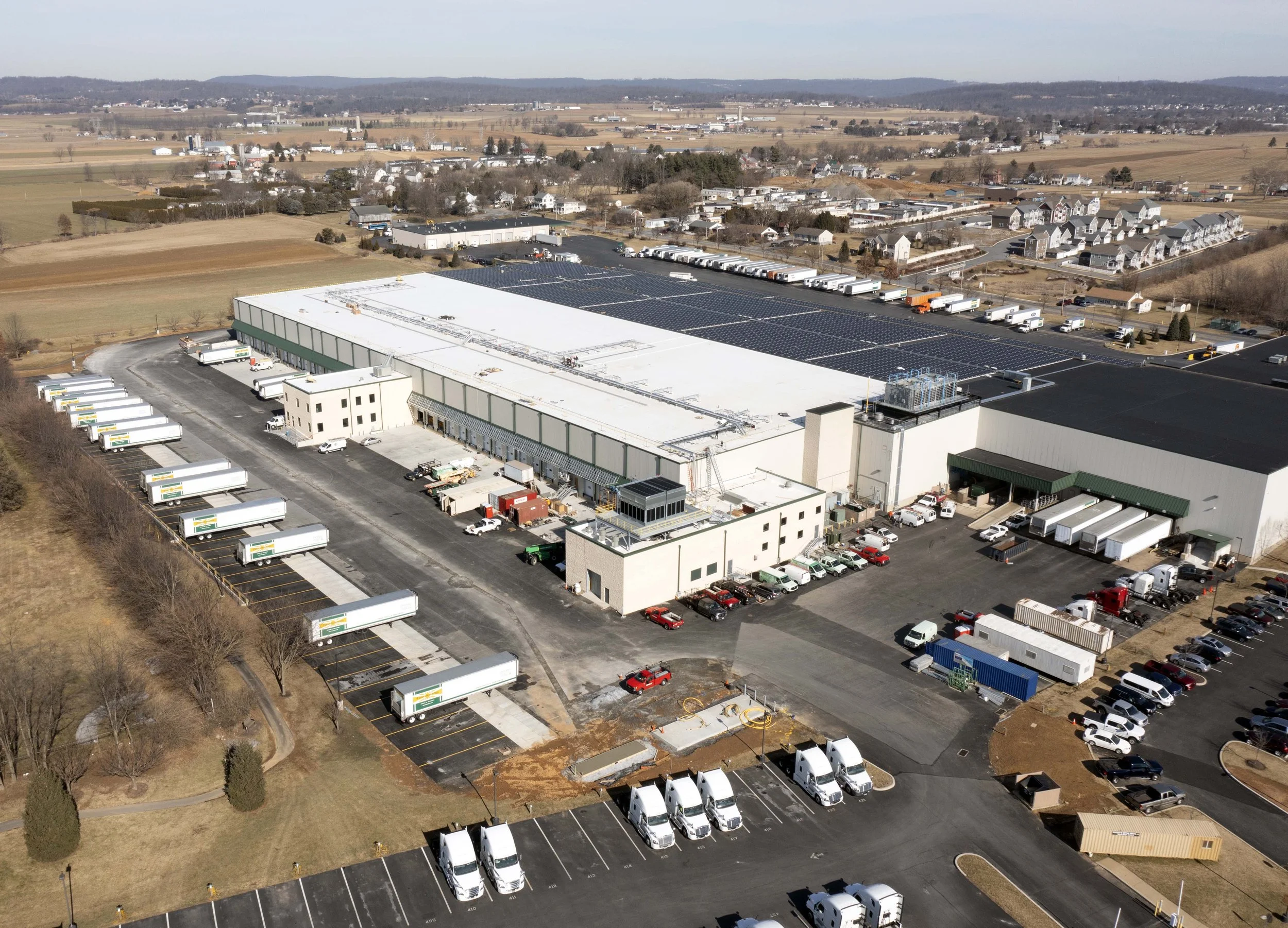
As the business expanded, so did the campus. New warehouse space was added. Infrastructure evolved. The fleet grew to more than 120 trucks serving customers up and down the East Coast.
Today, the operation spans roughly 400,000 square feet and over 80 dock doors supporting multiple businesses working together under one roof — produce distribution, logistics, imports, and more.
What began as a single facility became an integrated supply chain platform. And as it grew, so did the approach to facilities.
It was no longer just about making space.It was about building systems that could support continued growth — without losing the culture that made the company successful in the first place.
CONTINUOUS IMPROVEMENT
Facilities work has never stood still.
Behind the scenes, the team continues to improve refrigeration systems, infrastructure, and the tools that keep the operation running.
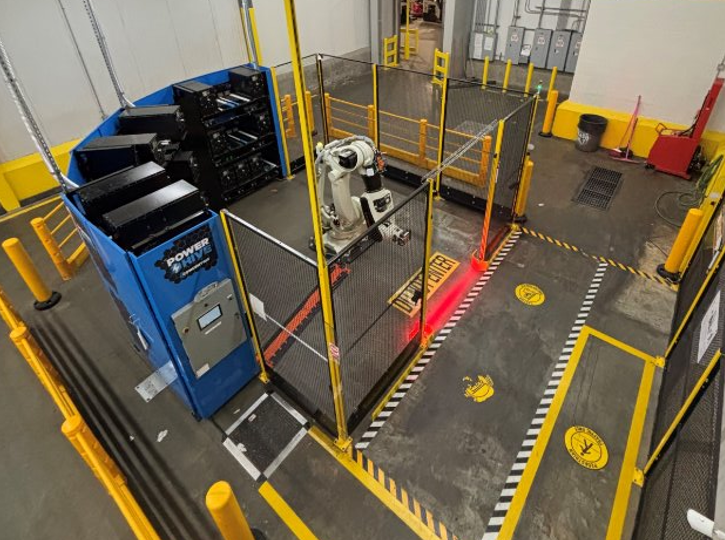
One recent example is the Hive battery-changing system, an automated process that replaced the previous manual system. What once required waiting and manual effort can now be done quickly and consistently, improving productivity across the warehouse.
Like many improvements, it is not always visible.
But it reflects the same mindset that has guided the company from the beginning:
Keep improving.
Keep moving forward.
BUILDING FOR WHAT COMES NEXT
Facilities at Four Seasons have always been about more than buildings. They reflect how the company has learned to grow.
From a 5,000-square-foot warehouse in Denver to a modern campus in Ephrata, the scale has changed dramatically.
But the foundation has remained the same. A focus on people. A commitment to service. A willingness to keep trying new things.
Leadership has transitioned from one generation to the next, but the momentum has continued. In many ways, it still feels like the next step is just ahead.
Pay attention. Improve what you can. And keep building for what comes next.