Going Bananas – Ripening Expertise
Bananas continue to be one of the biggest volume drivers in fresh produce departments of food stores by weight and their affordability, popularity, and frequency of consumer purchase make them a strategic item for store leaders to make sure they get right.
A lot of work goes into growing, harvesting, packing, shipping, and retailing bananas. Right in between Shipping bananas from the tropical growing regions to US ports and Retailing yellow ready to eat bananas at the supermarket – is the role of the Ripener.
How Banana Ripening Works
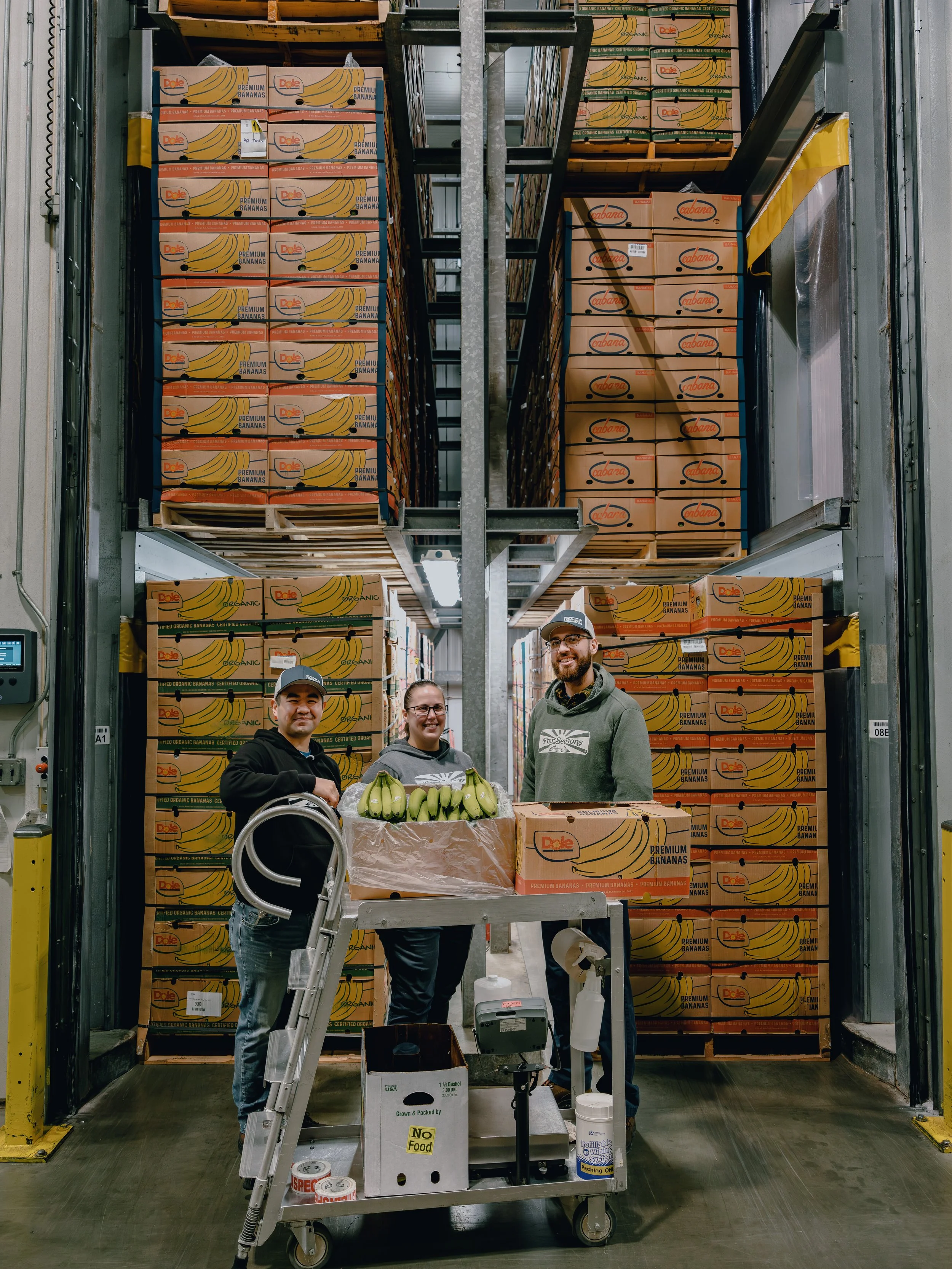
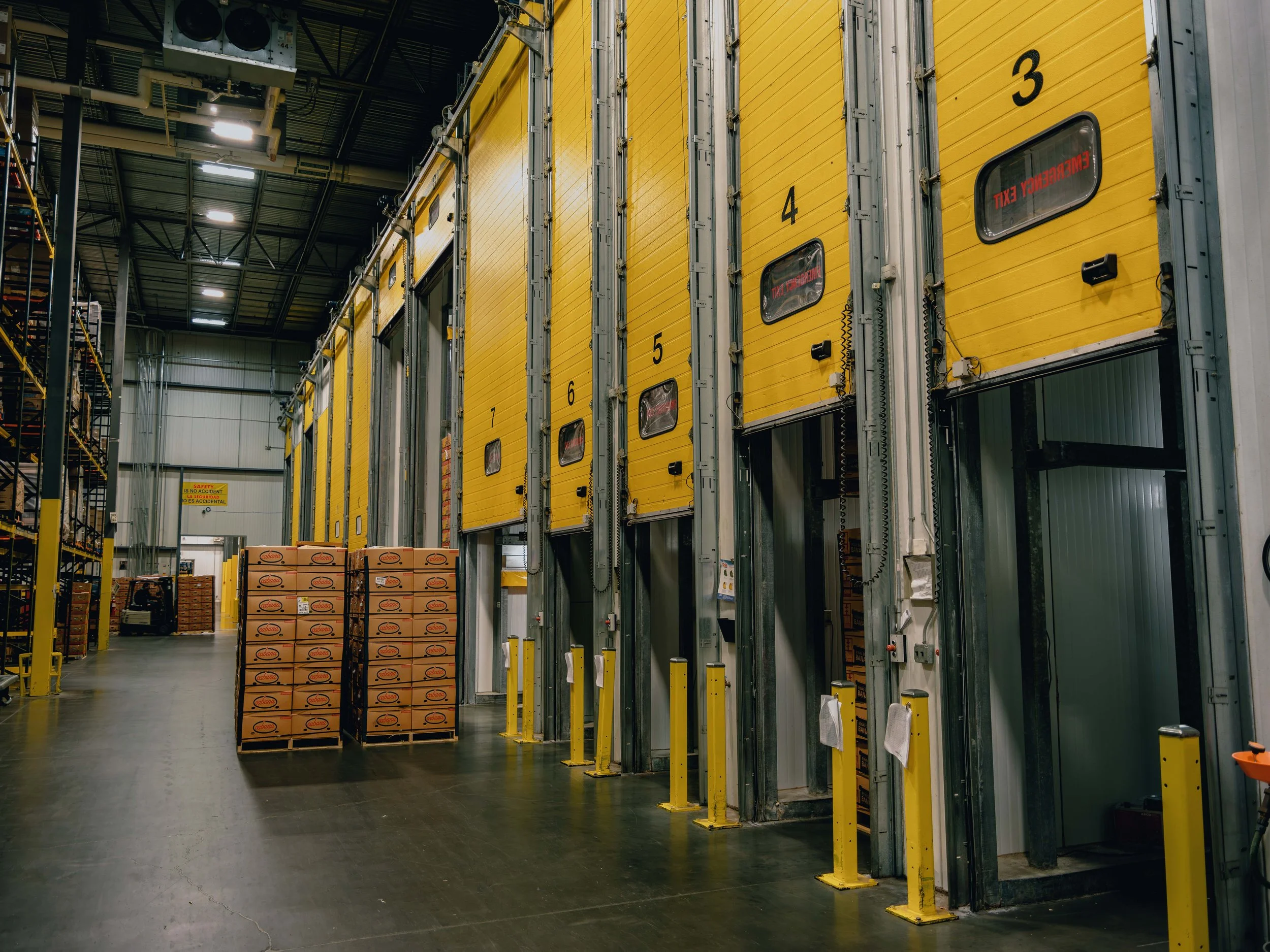
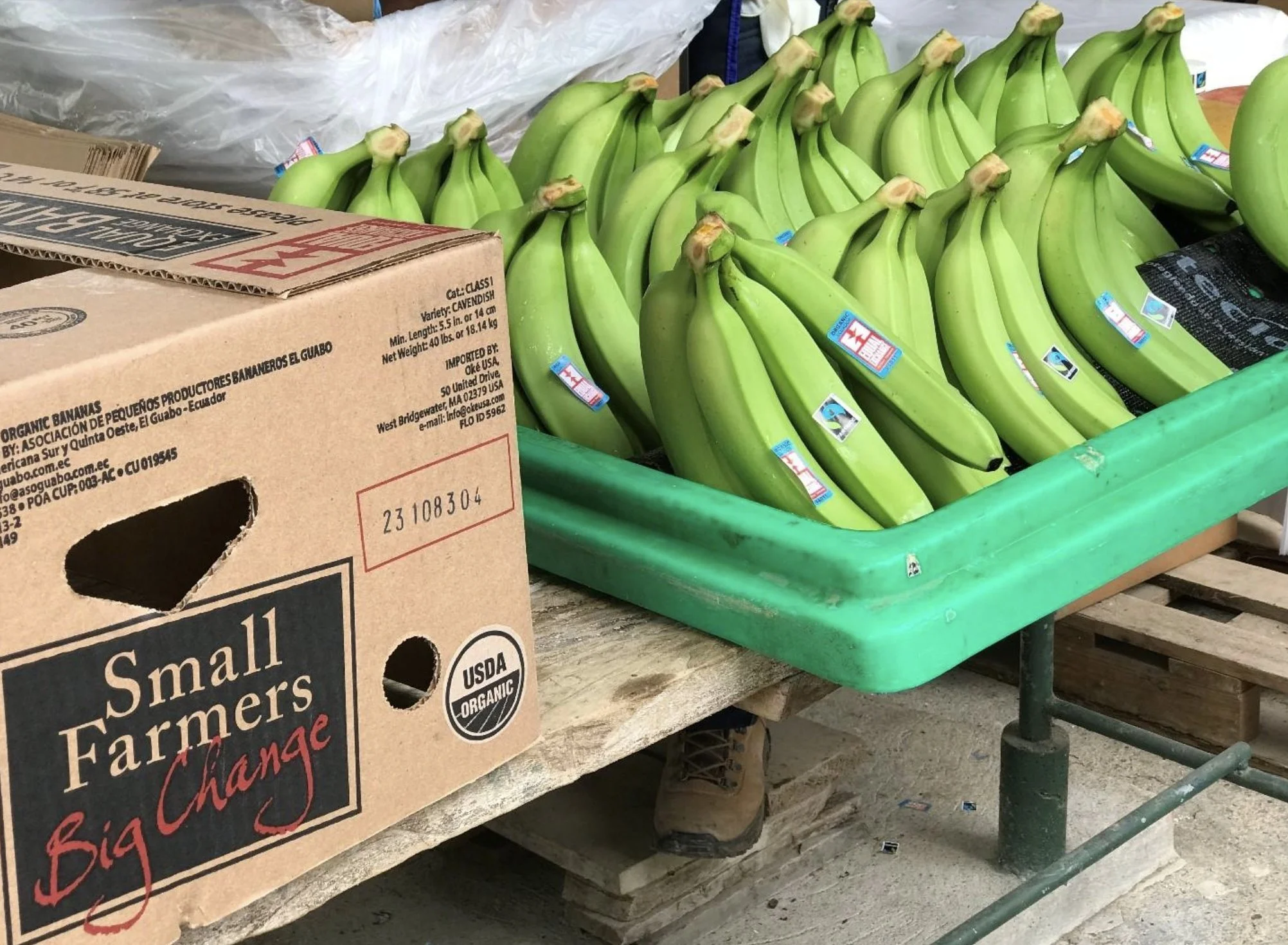
Ripeners receive mature, but green, hard, and starchy bananas in 40 lb boxes by sea container from the ports following a 10-14 day boat ride from origin countries like Costa Rica, Guatemala, Honduras, Panama, Colombia and Peru. After the sea containers are delivered from the port to the distributor, the pallets are loaded into specially designed ripening rooms that introduce the natural activator of ethylene to the air and warm the rooms to trigger the ripening process.
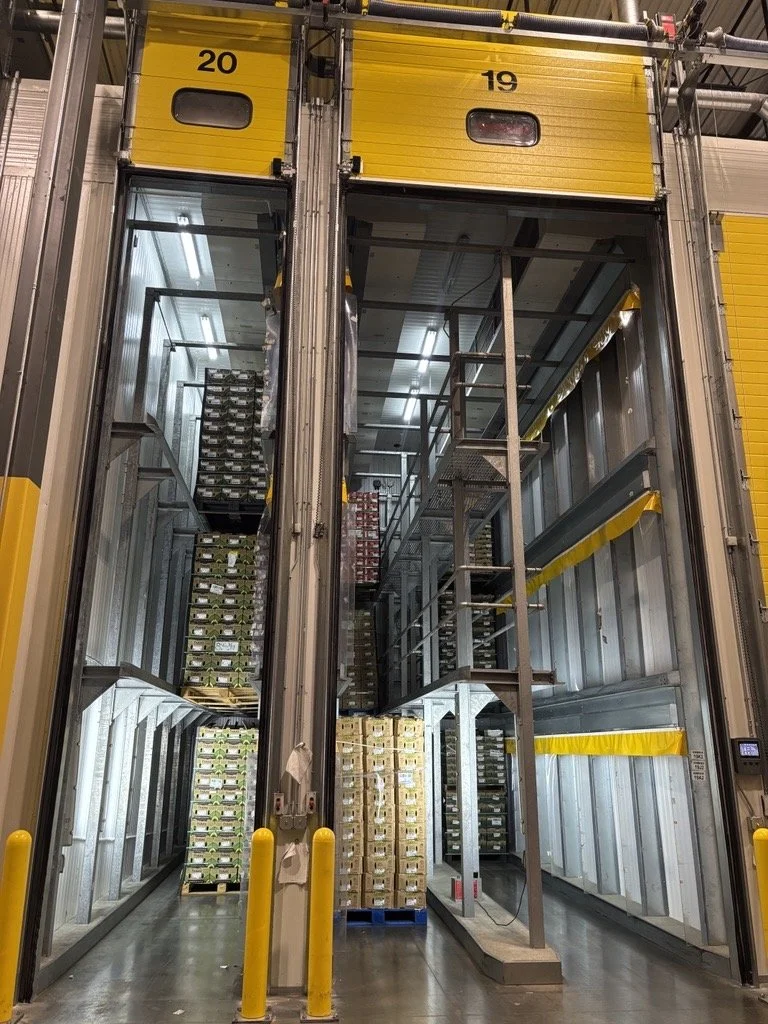
During this ripening process, as the chemical reaction of starch turning into sugar begins, the side effects are softening of the fruit, release of heat, and color change to the banana peels. Pressurized rooms and large fan systems pull the air flow evenly through the handle holes of each box on each pallet and manage the temperature to ensure the bananas don’t get too hot or too cold.
Once the ripening process is started it cannot be stopped, only slowed slightly. The average ripening cycle from hard green (stage 1) to more yellow than green (stage 4) for arrival to retailers takes an average of 4-5 days. Banana ships arrive to port once a week and ripeners must plan out their ripening, anticipating daily demand for color stage for the stores they serve each day, and then adjust as the fruit colors up and store orders flow in.
The Early Days of Banana Ripening at Four Seasons
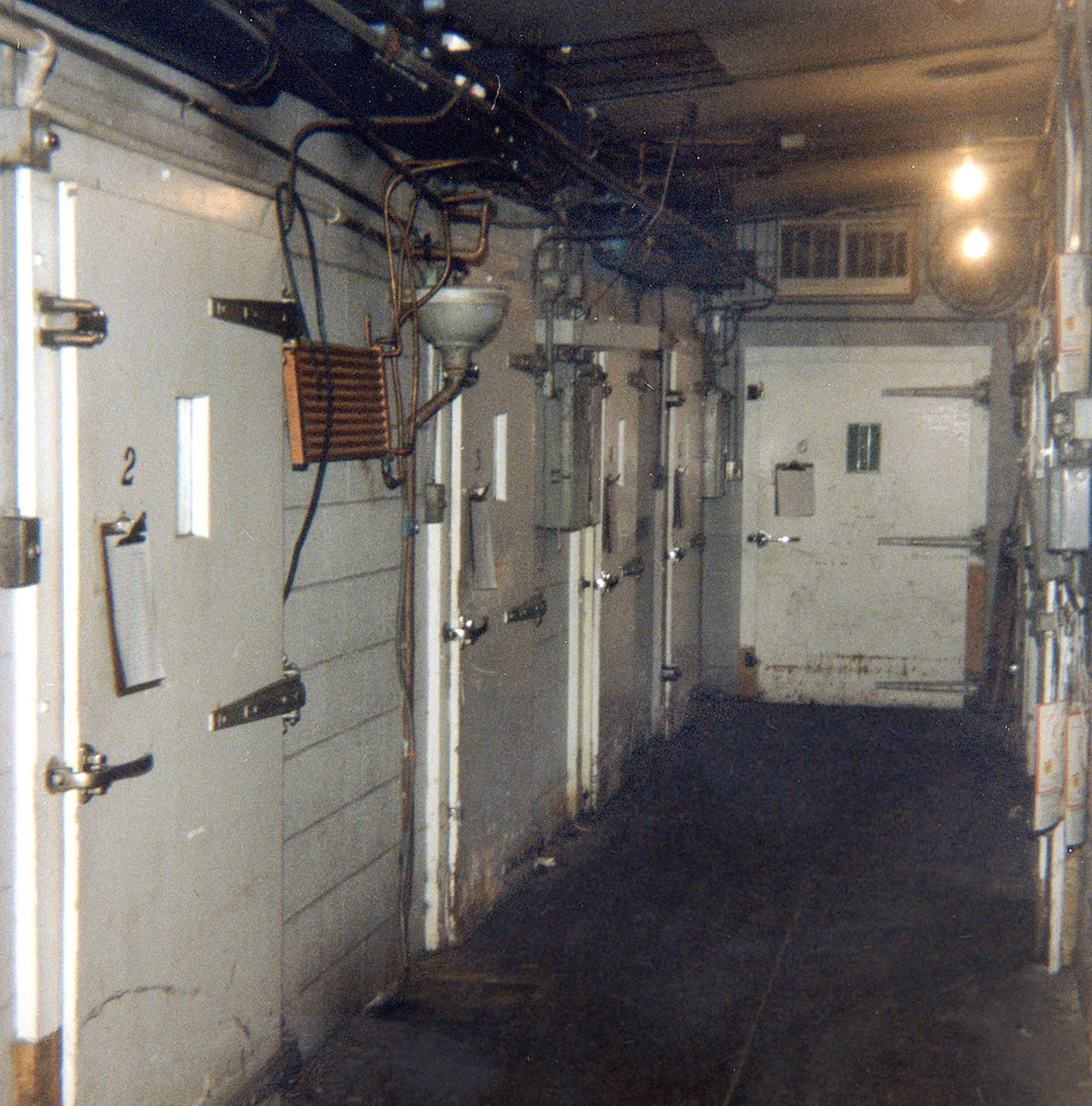
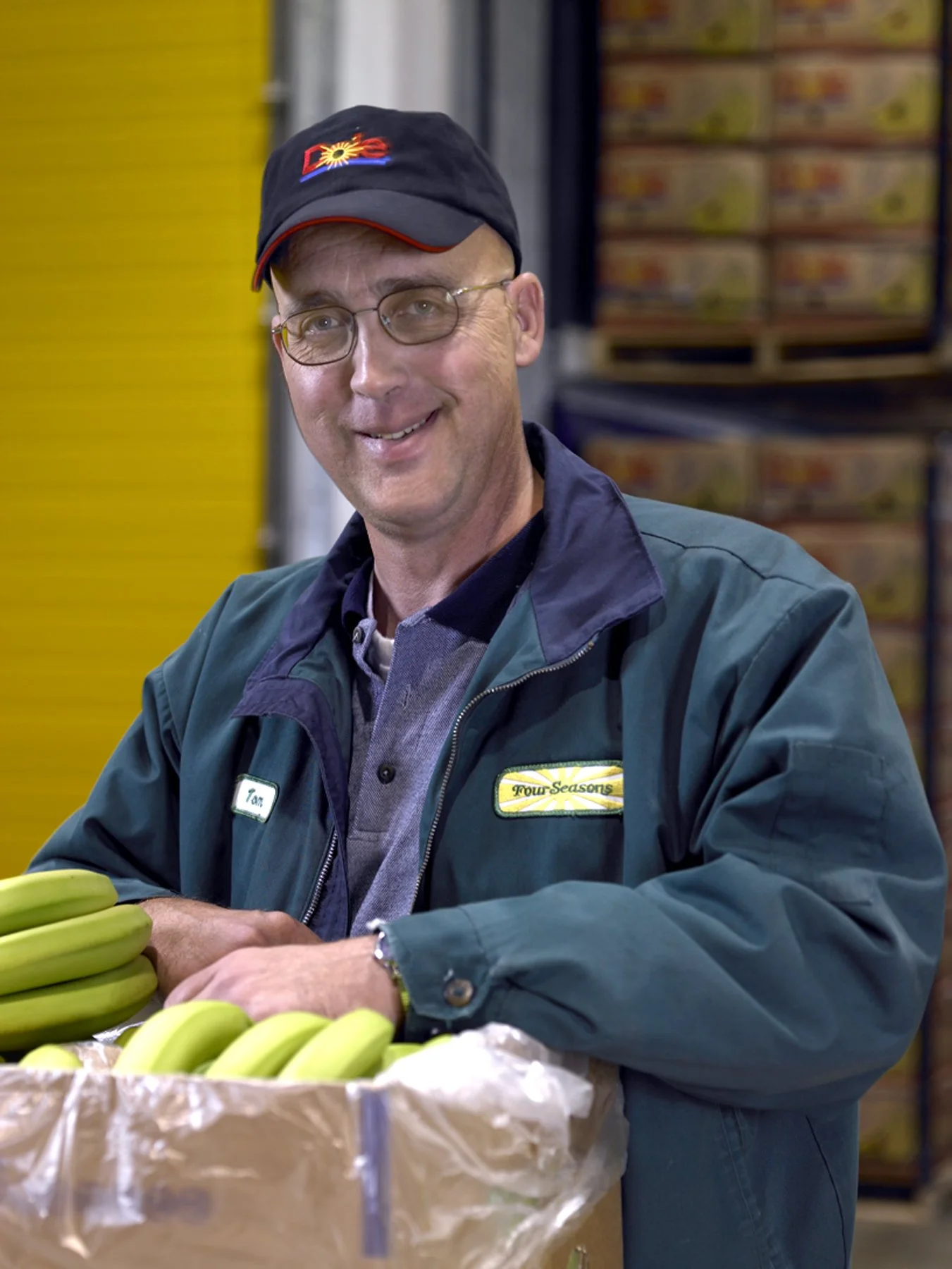
Tom Yachtis, the longtime ripening expert who started at Four Seasons Produce in 1986 and retired in 2025, describes the evolution of Banana Ripening at the company.
“When I started back in the 1980s at Four Seasons, there was just a fan in the back of the rooms we used for bananas. You’d have to restack the bananas to “four-block” so they could get some airflow. The bananas came in floor stacked anyway, not palletized. Ethylene was released into the air to trigger the fruit, and back then the humidification system consisted of throwing buckets of water on the floor until the area was wet.”
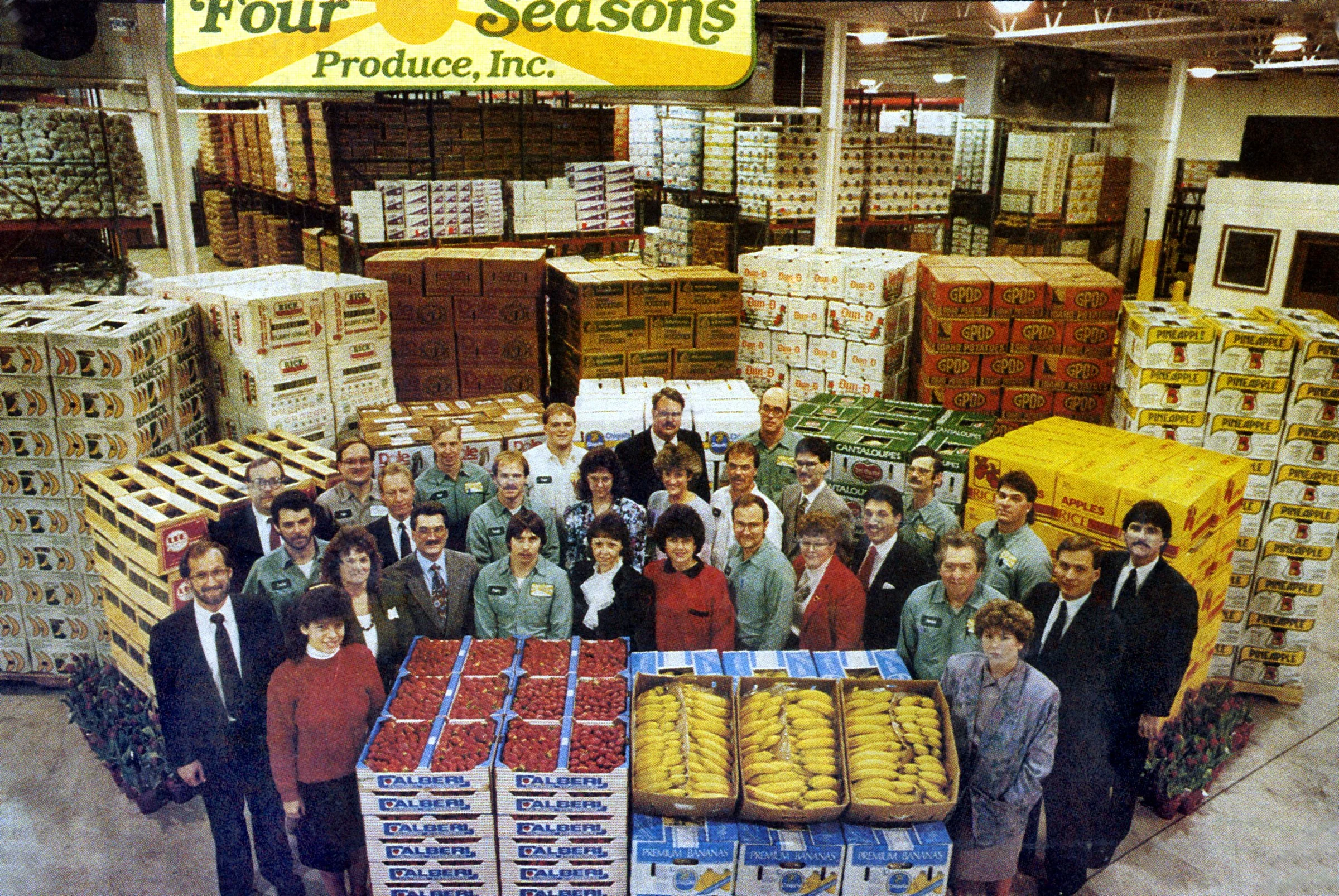
“We had seven small rooms, and each room was stacked to what color stage the sales people wanted for each day of the week. Whatever bananas were leftover at the end of the week we had to sell cheap on the market. That made plenty of people unhappy, so getting more volume and better ripening facilities became important.”
Tom continues, “Then our first ‘professional’ banana rooms were installed in an expansion of the 1975 N. Reading Road warehouse. Those were single layer rooms where a tarp was thrown over the two rows of pallets of bananas and fans pulled the tarp tight to pull airflow through the holes in the sides of the banana boxes to create even ripening. The rooms ran on an ice-trough system to keep the temperature stable.”
Scaling Up in the 1990s and early 2000s
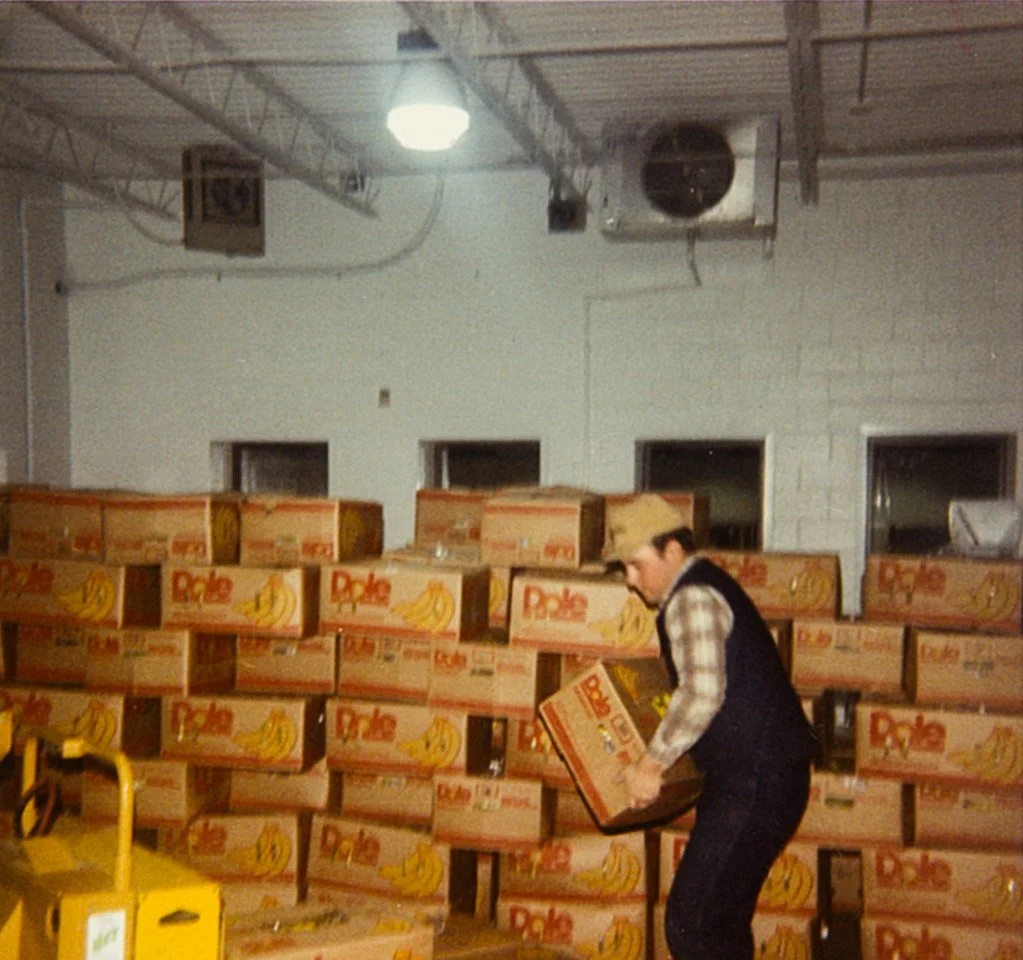
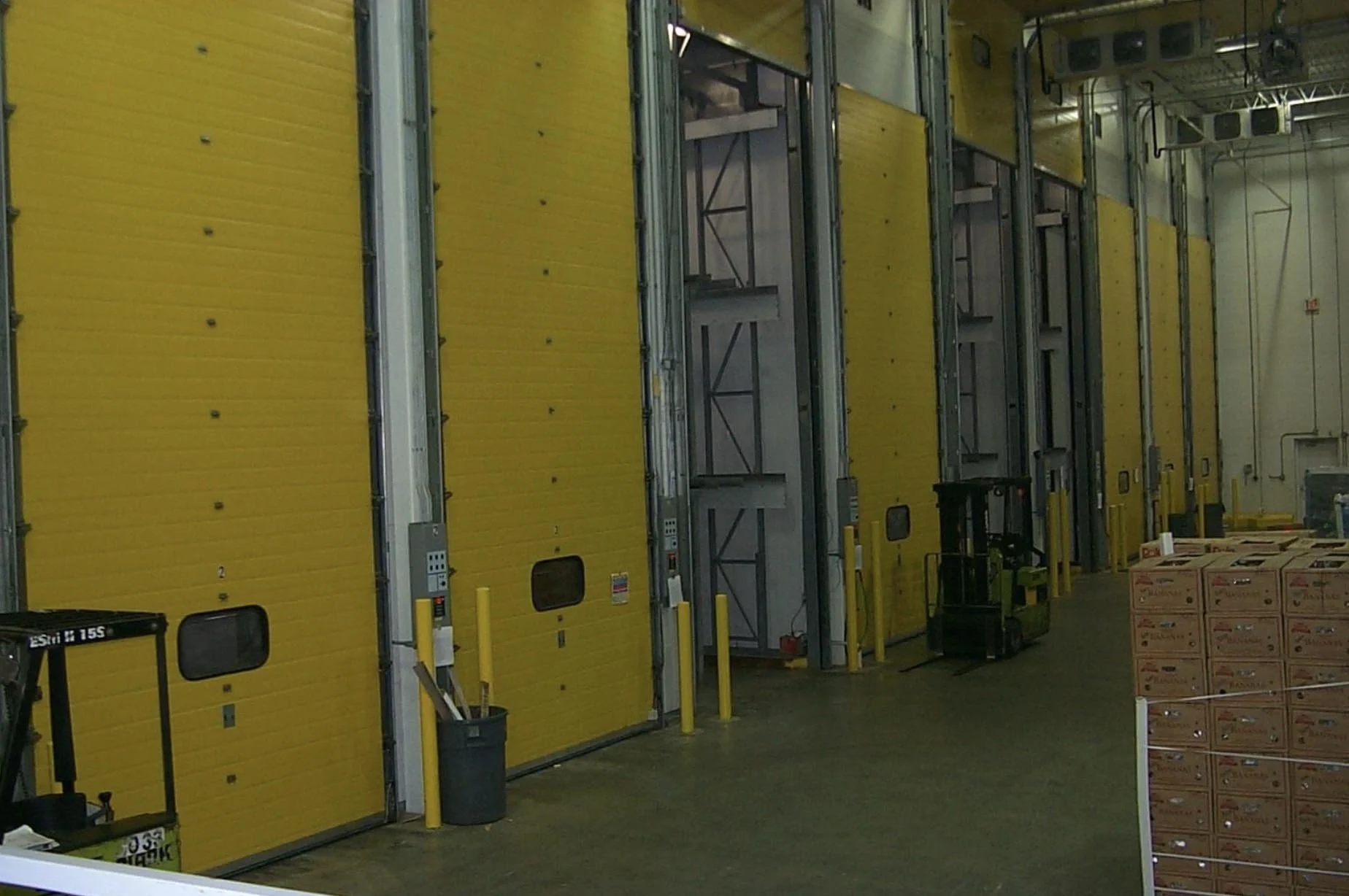
In the 1990s 10 modern, 3-rack-high, pressurized, double-wide banana ripening rooms by were installed with the latest technology at what was referred to as Warehouse 2 along North Reading Road. This investment in capability was made to fuel the growth in the retail channel business at Four Seasons Produce. And with the extra capacity in the new equipment, for a period of time Four Seasons took on ripening for some local divisions of national chain stores like Save-a-Lot, BJs Wholesale Club, and Fresh Fields (which was later purchased by Whole Foods).
When Four Seasons Produce built the current distribution facility in 2004 to get all storage buildings under one roof, brand new banana rooms were installed there, this time with Advanced Ripening Technology rooms. The retail business continued to grow and while some chain store ripening programs ended and others, like ripening pre-priced Dole Banana bags for Aldi, started.
Eventually, the chain store programs mostly ended and banana ripening programs really centered around Four Seasons Produce’s independent retailer and natural food store customers that were not self-distributed and became a split of organic and conventional fruit.
Fair Trade & Organic Bananas
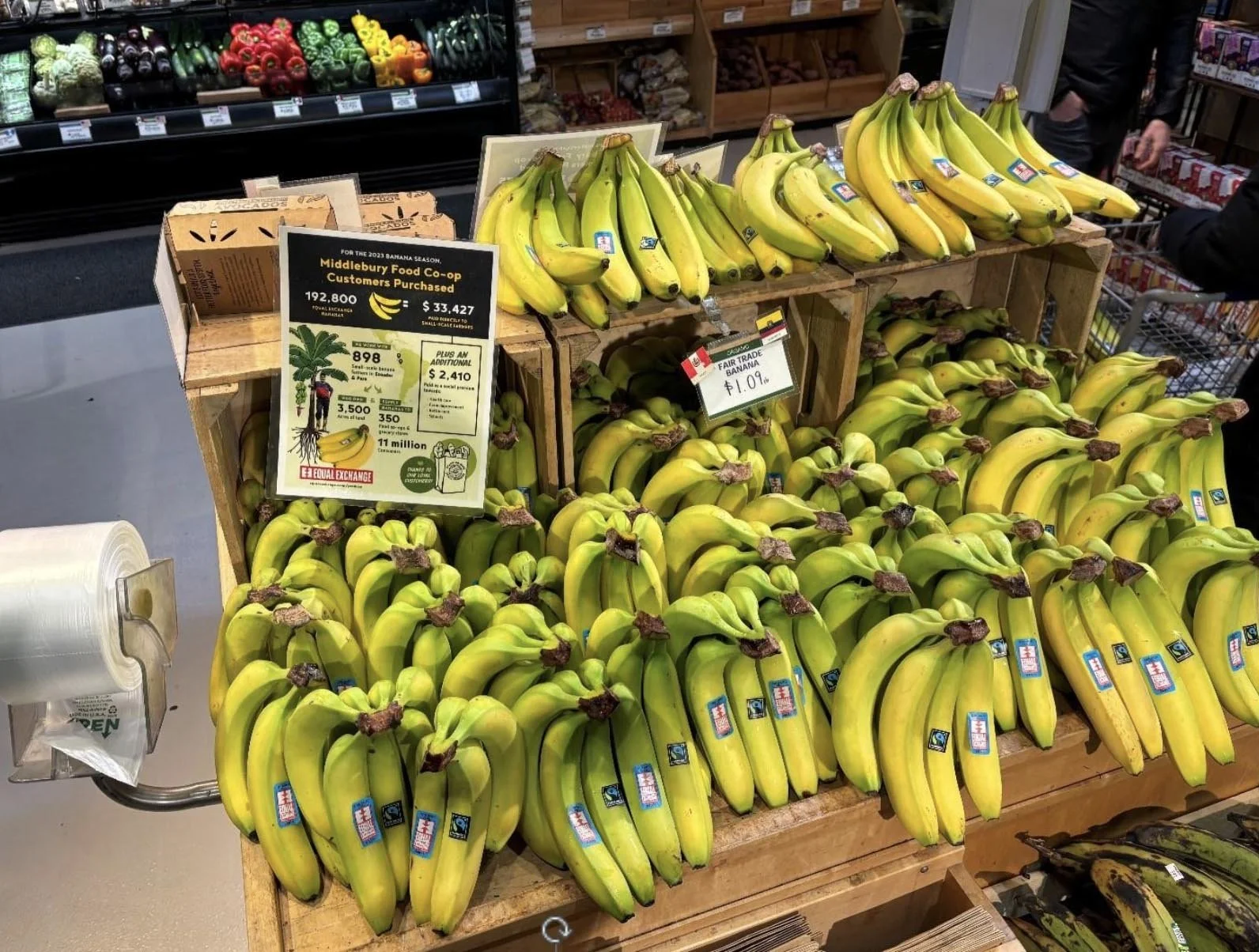
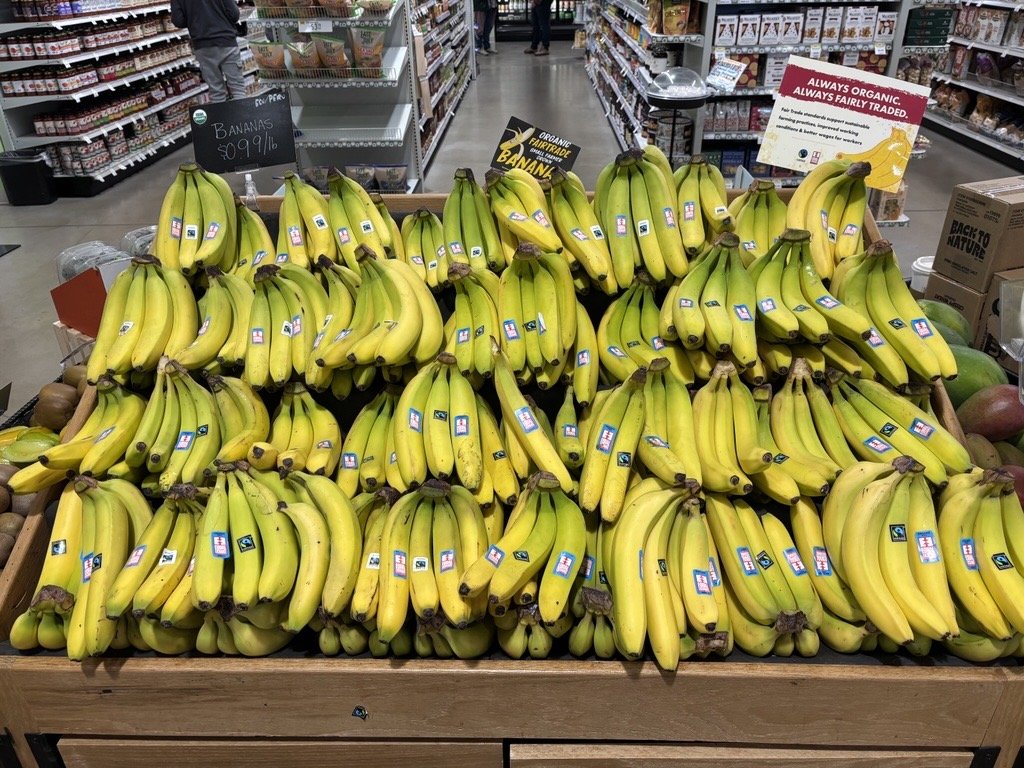
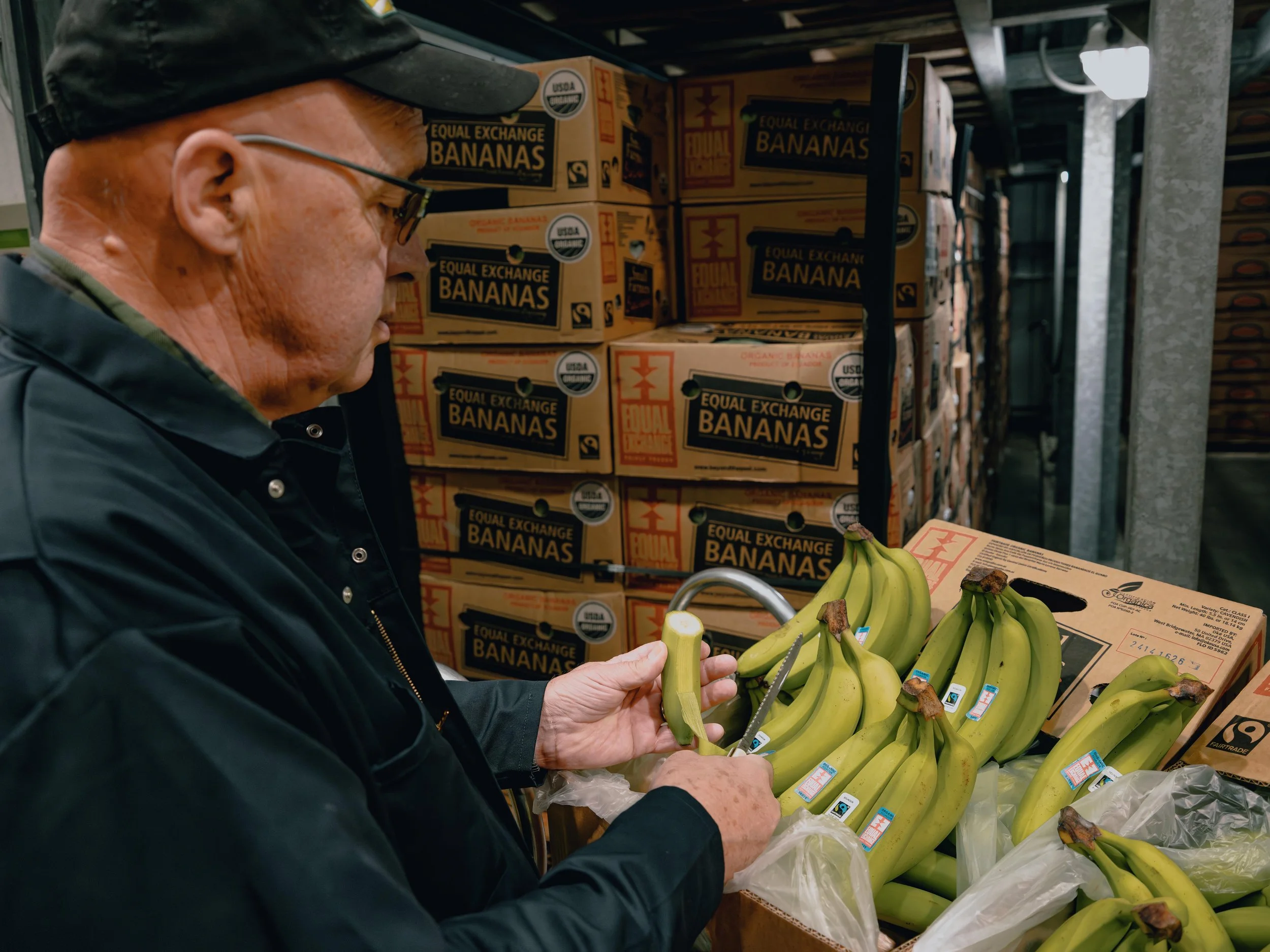
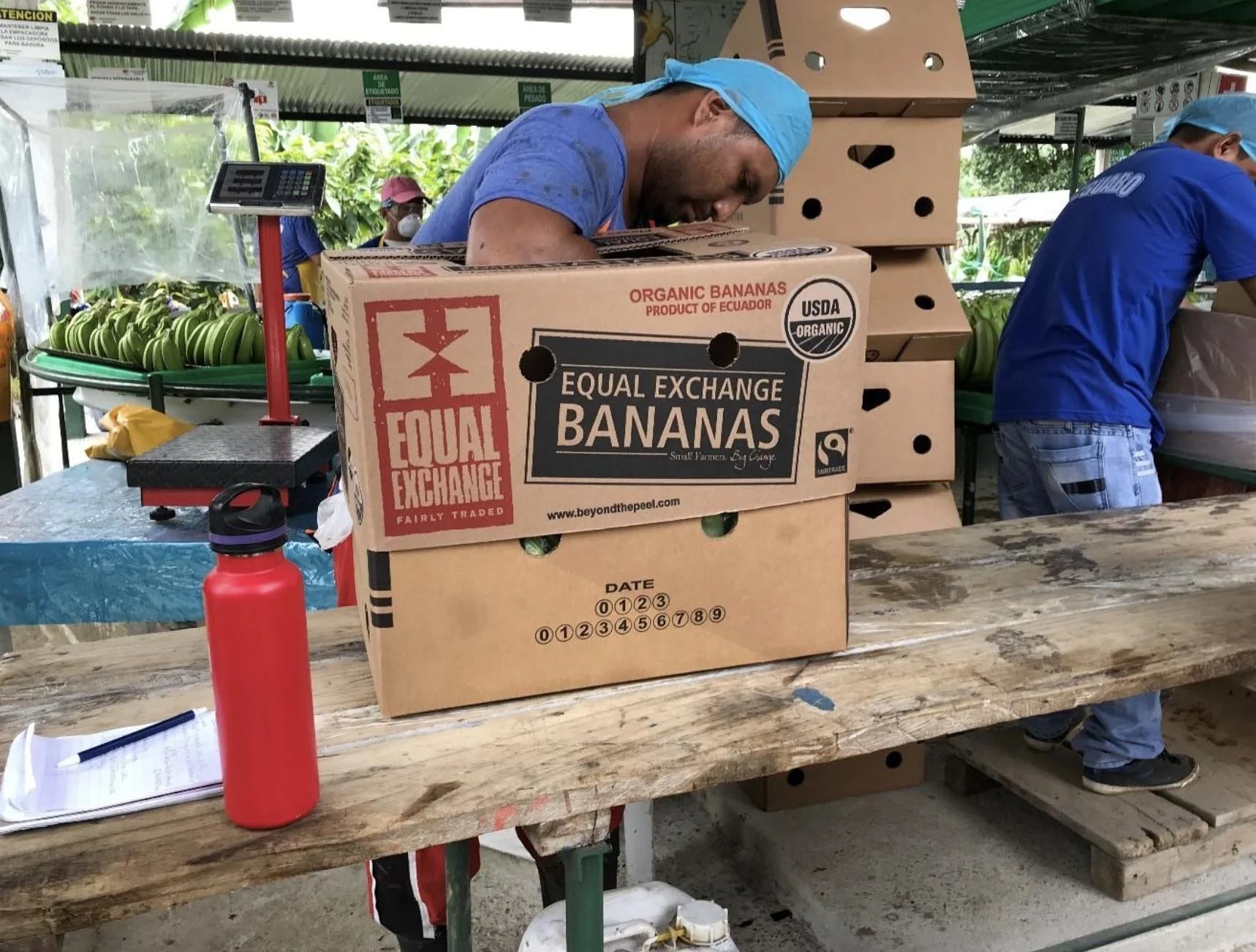
In the mid to late 2000s, Four Seasons Produce became a ripening partner for Oke’ / Equal Exchange, a Fair Trade Organic Banana importer that works with small farmer cooperatives in Ecuador and Peru, becoming one of the first ripeners to support fair trade bananas with container volume orders.
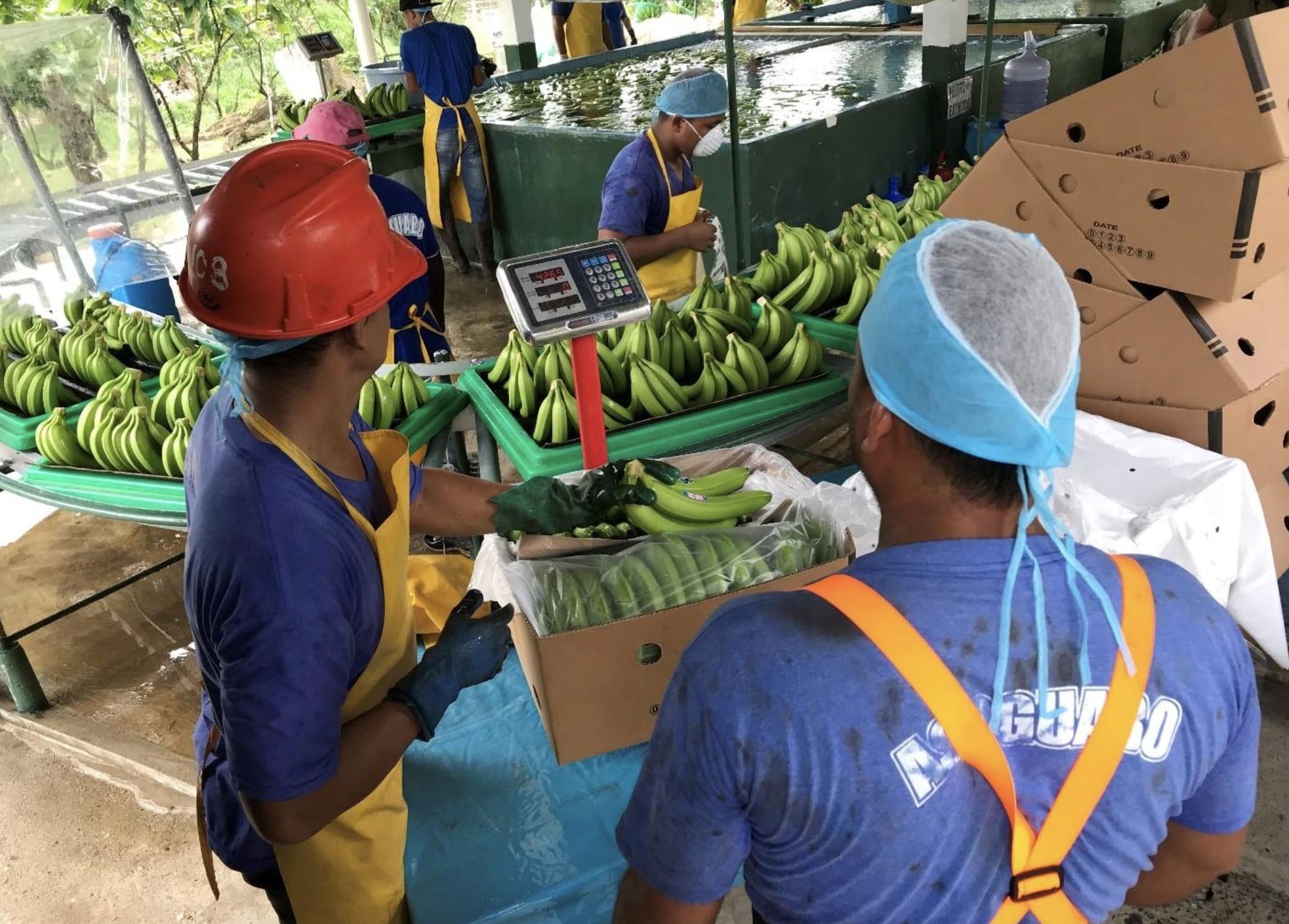
In the high social and environmental standards of the Fair Trade model, farmers are paid a fair price, and a premium charge from each box goes back to the farm workers to fund community projects. Fair Trade supports higher wages, safer working conditions, and a cleaner environment for farmers, workers, and their families.
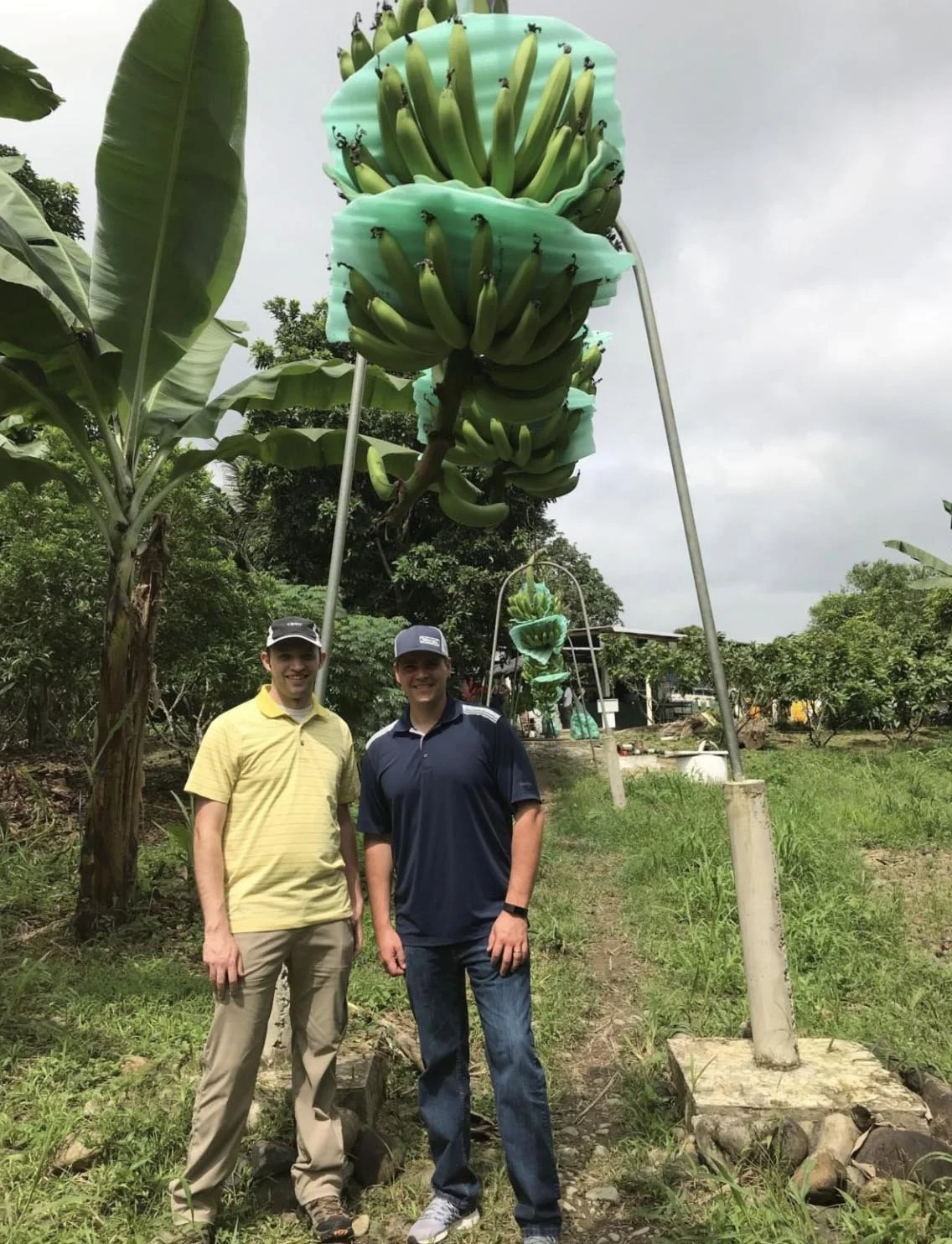
Supporting Fair Trade and Organic in Bananas continues to be a priority for Four Seasons Produce, a place we can all make a difference together in the lives of farmers and on the environment. Over the years, several associates have traveled with retailer customers to Ecuador and Peru with Equal Exchange to visit the small farms and see first hand the impact of the fair trade premiums in the community.
Beyond Bananas – Avocado Ripening
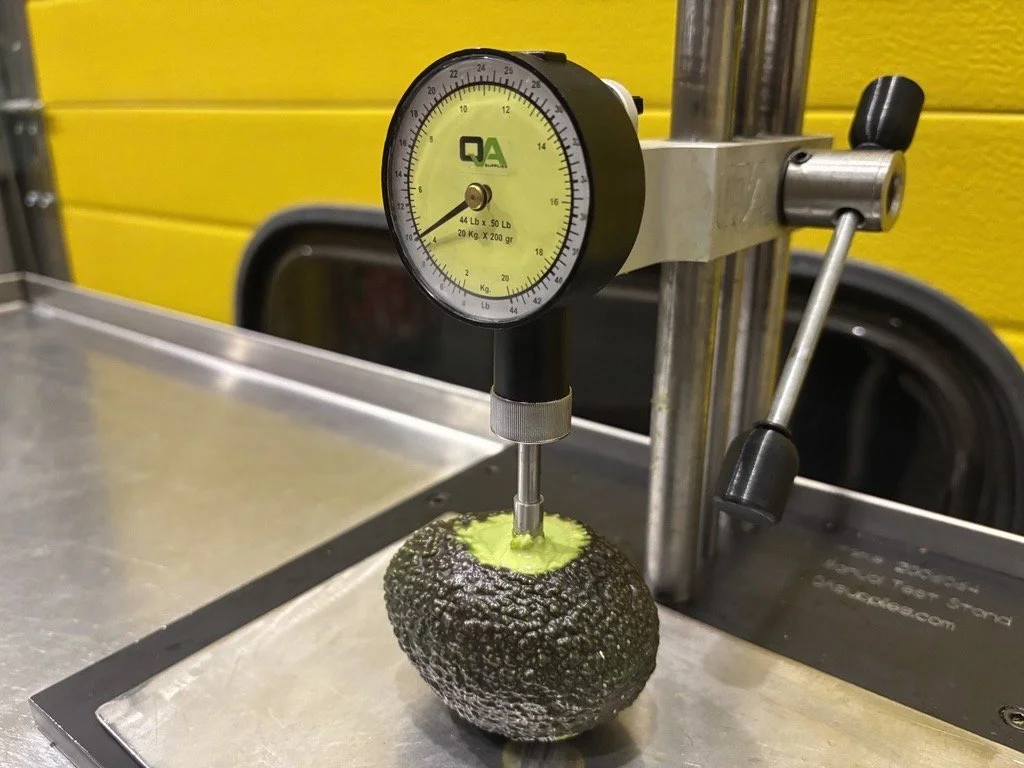
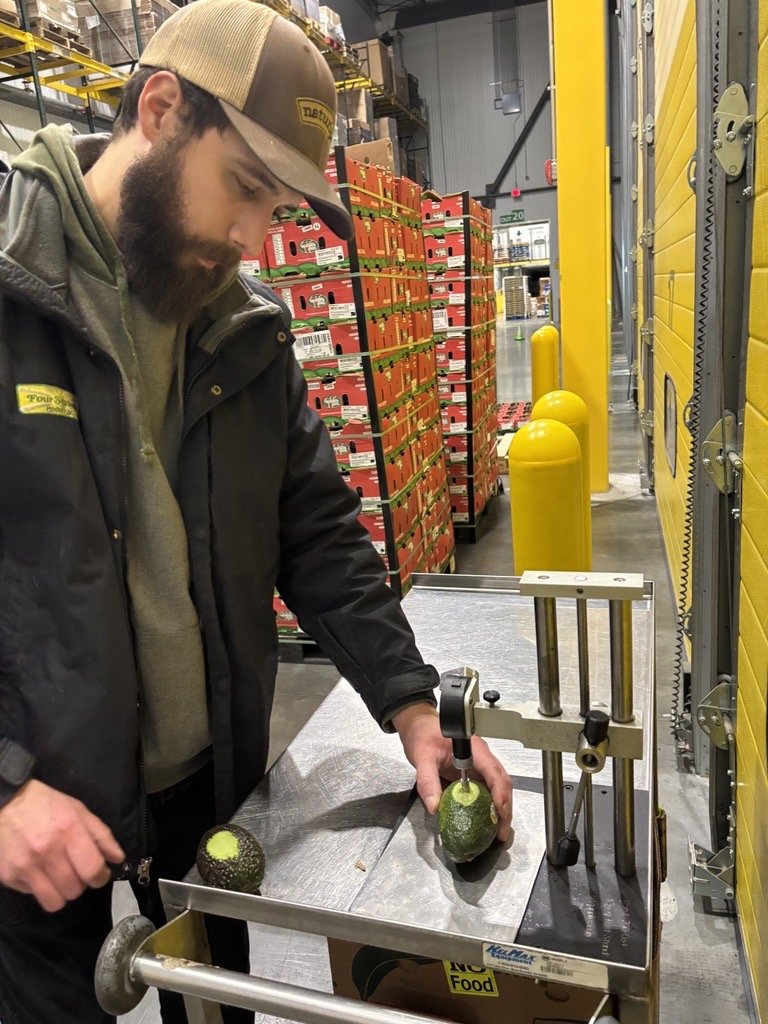
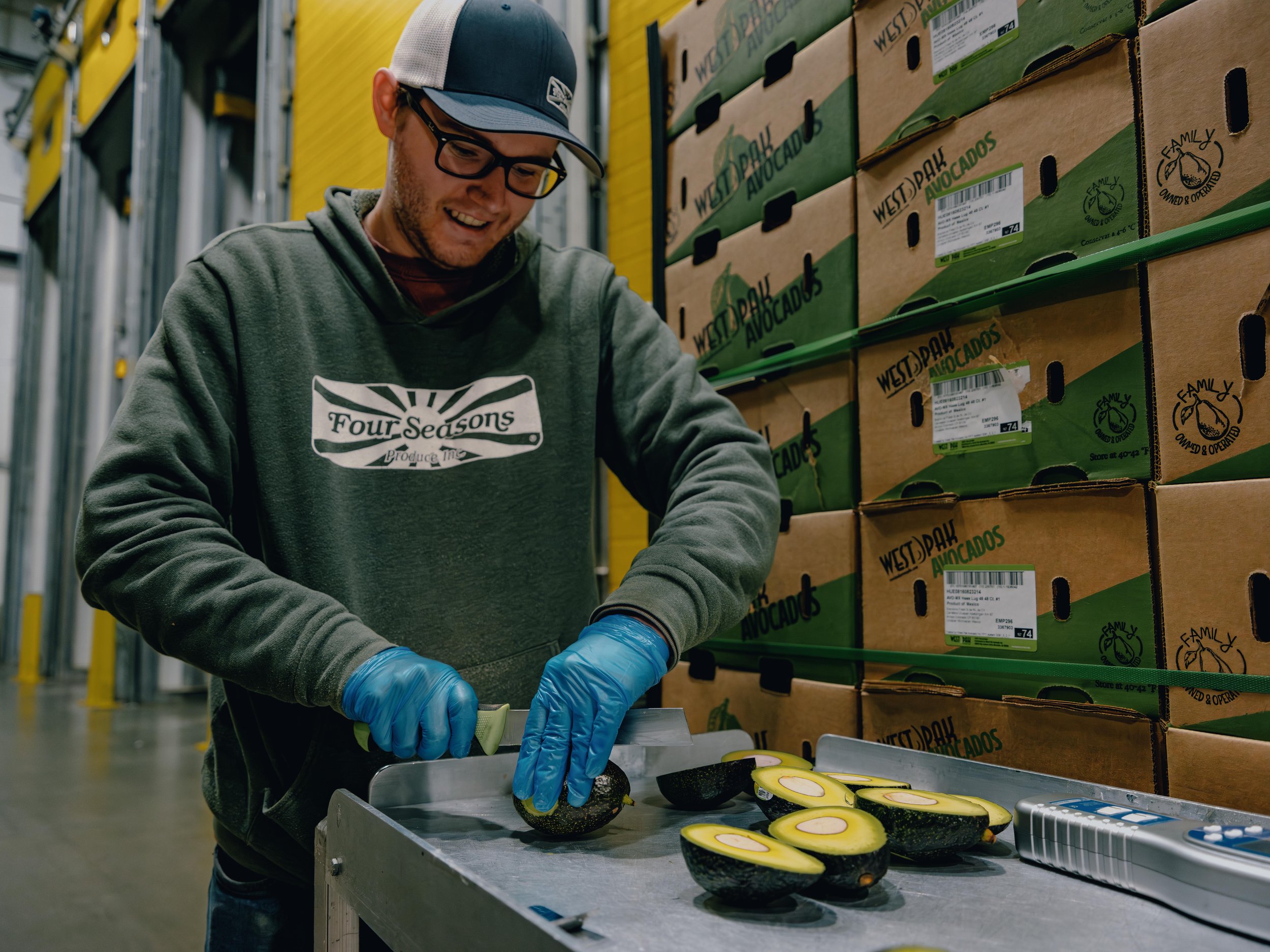
It’s not just Bananas that are ripened anymore. For over a decade, Four Seasons Produce began using the ripening rooms to pre-condition Hass Avocados to begin bringing the firmness (or pressure) of the fruit down to a level where stores and foodservice operators could have ready to cut avocados on a predictable, just-in-time schedule.
Four Seasons Produce’s sister company, Sunrise Logistics, specializes in ripening services for Avocado grower-shippers and importers to help get fruit to the perfect pressure to ship to their large retailer, club store, and foodservice-distributor channel customers. This includes ripening Avocados that become guacamole at Chipotle restaurants in the region.
Today’s Ripening Operation - Helping Others Succeed in Fresh
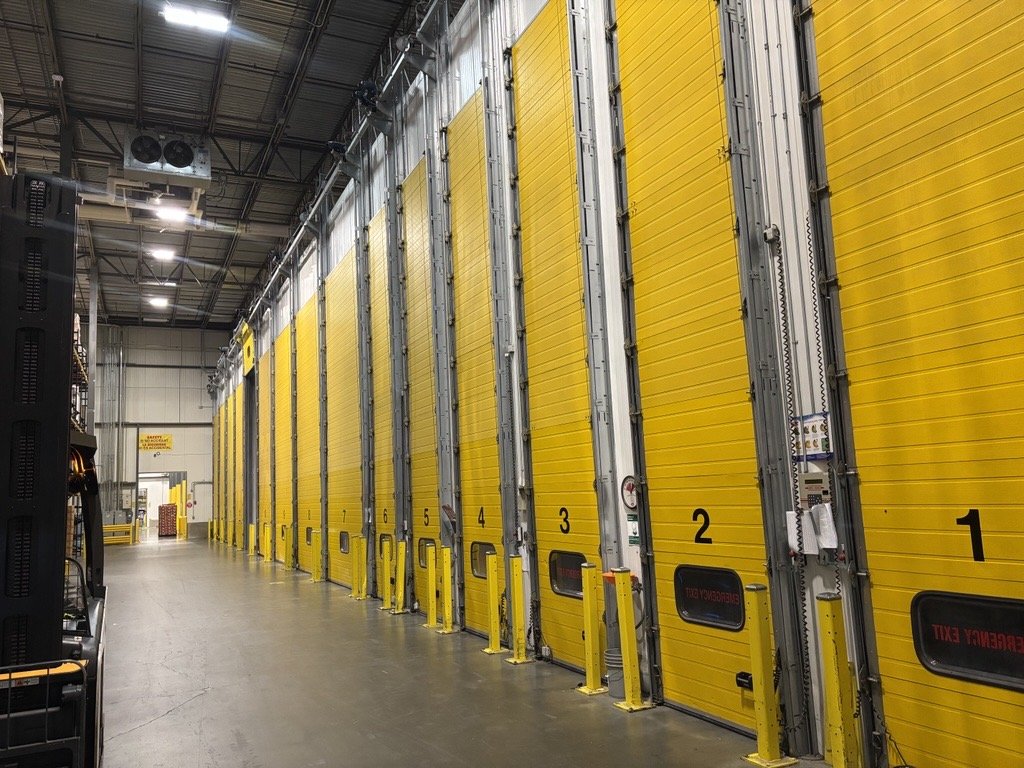
Today, Four Seasons Produce’s ripening rooms are all completely refurbished or newly built within the last few years. In January of 2026, 3 brand new rooms were completed bringing the total to 24 ripening rooms (16 double rooms, 8 single rooms) with 40 sea container loads of capacity operating daily to provide high quality, consistent, professionally ripened Bananas and Avocados to the color stage or pressure required by discriminating customers each day of the week.
These big investments in facilities, equipment, and expertise at the Four Seasons Family of Companies to turn hard green bananas into the sweet yellow fruit we all love and hard Avocados into creamy goodness for customers all comes back to our mission of Helping Others Succeed in Fresh!